
Low Cost Food Franchise in India for First-Time Business Owners
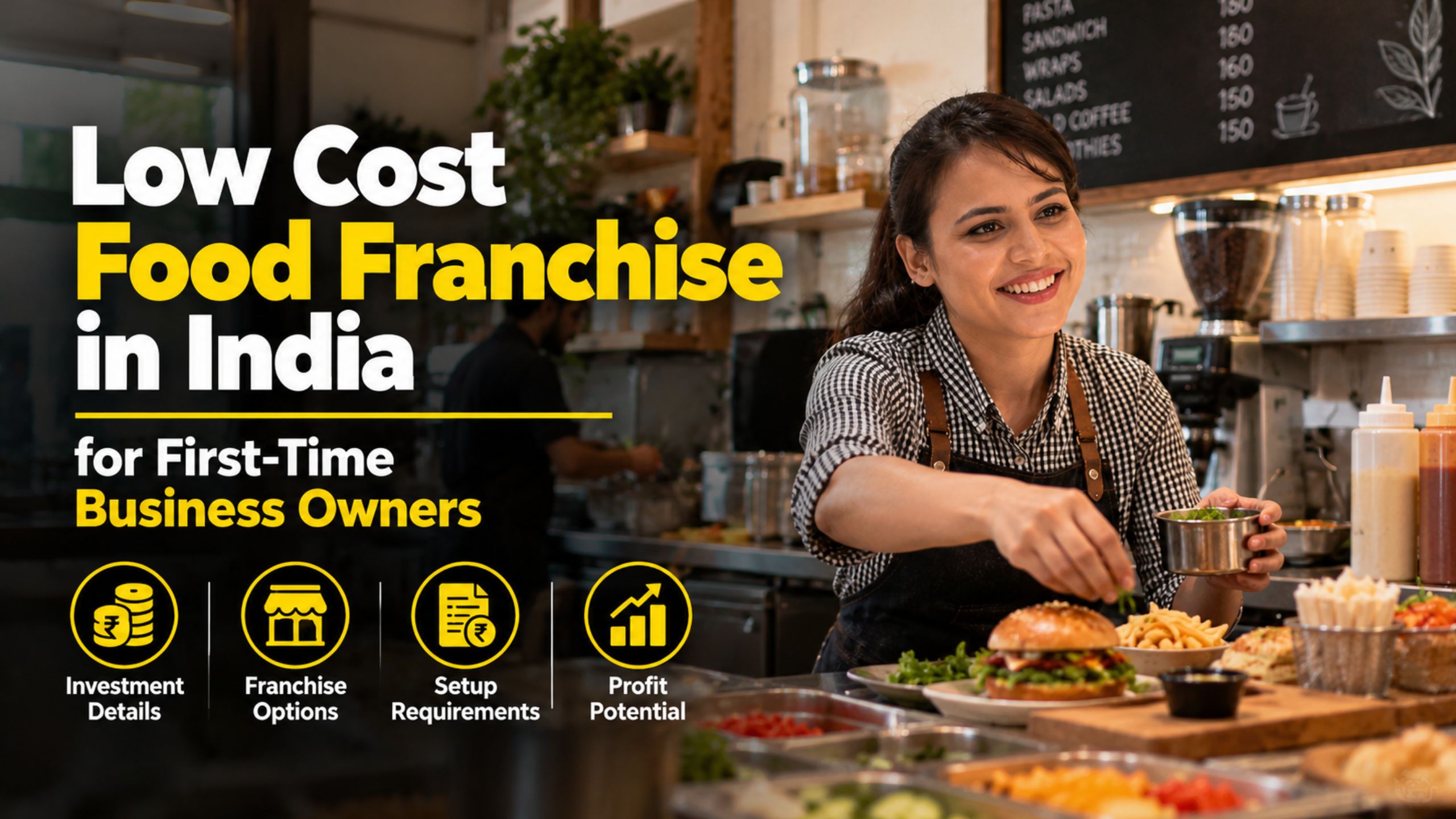
Low Cost Food Franchise in India for First-Time Business Owners
Starting a food business can be exciting, but the cost of opening a restaurant can stop many beginners from taking the first step. Rent, kitchen equipment, staff salaries, raw materials and marketing can use up savings before the business starts earning. A franchise may make the process easier by providing a known brand, a set menu, training and operating guidance.
A low cost food franchise in India can be a practical option for people who want to enter the food industry without opening a large restaurant. Small tea counters, snack outlets, takeaway shops and cloud kitchens may need less space and fewer staff than a full dine-in restaurant. However, a low starting price does not always mean a low total cost. You also need money to run the business until sales become steady.
This guide explains different franchise models, estimated setup costs, common fees, profit calculations and the steps to take before investing. The aim is to help first-time business owners choose an option that fits their budget, skills and local market.
What Is a Low-Cost Food Franchise?
A low-cost food franchise is a food business that lets you operate under an existing brand with a smaller starting investment. Depending on the agreement, the brand may provide recipes, staff training, equipment guidance, menu support, marketing material or help with daily operations.
A low investment food franchise may operate from a small kiosk, a takeaway counter or a delivery-only kitchen. You do not always need a large dining area or an expensive high-street shop.
Remember that the advertised franchise fee and the full business investment are different. Before deciding on a food franchise under ₹5 lakh or a food franchise under ₹10 lakh, ask for a complete cost sheet that includes setup and running expenses.
Why Can a Food Franchise Suit First-Time Owners?
Starting with an established brand can reduce some of the work involved in building a food business from scratch. You may receive a menu, recipes, supplier guidance and a basic operating system.
It can suit beginners who:
- Want guidance instead of creating every process themselves.
- Have limited funds and need a small business format.
- Are salaried professionals planning to move into business.
- Want to learn food operations before opening a larger outlet.
- Prefer a focused menu over a large restaurant with many dishes.
Still, a franchise is not risk-free. Your results depend on demand, food quality, pricing, costs, service and how well the business is managed. A recognised name cannot guarantee customers or income.
Types of Low-Investment Food Franchise Models
Different formats suit different budgets. The estimates below are general planning ranges, not confirmed offers from specific brands. Actual costs can change with the city, brand, location, equipment and agreement.
| Franchise model | Indicative starting budget | Approximate space | Operating complexity |
| Tea or coffee kiosk | ₹2–6 lakh | 50–150 sq. ft. | Low to medium |
| Momos or snack counter | ₹2–7 lakh | 80–200 sq. ft. | Medium |
| Fast-food takeaway counter | ₹4–10 lakh | 100–300 sq. ft. | Medium |
| Juice or dessert kiosk | ₹3–8 lakh | 80–200 sq. ft. | Low to medium |
| Delivery-only cloud kitchen | ₹3–10 lakh | 150–400 sq. ft. | Medium |
| Small dine-in food outlet | ₹8–20 lakh or more | 250–600+ sq. ft. | Medium to high |
These ranges are indicative and may not include every cost. A premium location, major renovation, high-end equipment or a larger franchise package can increase the budget.
Tea, Coffee and Beverage Franchises
A tea or coffee counter can work near colleges, offices, markets and busy roads. A limited menu may keep storage and preparation simple. However, daily sales depend on footfall, local competition, taste and pricing.
Momos, Snacks and Fast Food
Momos, rolls, sandwiches, burgers and other snacks can suit takeaway counters. They may attract repeat customers, but food consistency, hygiene and quick service matter. Some menus also need refrigeration, frying equipment or extra preparation space.
Cloud Kitchens and Takeaway Counters
A cloud kitchen prepares food mainly for delivery, so it does not need a customer dining area. This can reduce spending on seating and front-of-house interiors. However, kitchen rent, packaging, delivery-platform charges, staff and marketing still affect costs.
For a closer look at this model, read The Rolling Plate’s guide to cloud kitchen setup cost in India.
What Does a Food Franchise Cost in India?
The food franchise cost in India depends on what the brand includes in its package. Ask for a written breakdown before comparing offers.
| Expense | What to include in your budget |
| Franchise fee | Payment for brand rights and agreed support |
| Equipment | Cooking range, refrigerator, fryer, counters and storage |
| Interiors and setup | Electrical work, plumbing, exhaust, signage and fittings |
| Rent and deposit | Advance rent, security deposit and monthly rent |
| Licences and permissions | Applicable registrations, licences and local approvals |
| Initial stock | Ingredients, packaging and cleaning supplies |
| Staff | Salaries, training, uniforms and other staff costs |
| Marketing | Opening offers, local promotions and online listings |
| Working capital | Cash for bills, wages, stock and slow sales periods |
Can You Start Under ₹5 Lakh?
A food franchise under ₹5 lakh may be possible with a compact kiosk, a small counter or a basic setup in a suitable location. It becomes harder if the package excludes equipment, rent deposits, licences and working capital.
For a low budget franchise business, make a full list of expenses before spending money. Do not use your entire budget on the franchise fee and leave nothing for daily operations.
What About a Food Franchise Under ₹10 Lakh?
A food franchise under ₹10 lakh may give you more choice in equipment, menu size and location. You may be able to consider a small takeaway outlet or a compact cloud kitchen, depending on the brand and local costs.
Keep an emergency reserve separate from the setup budget. If you need to borrow money, calculate the monthly repayment and check whether the business could cover it during a slow period.
Franchise Fees, Royalties and Hidden Charges
The initial fee is only one part of the cost. Some brands charge a recurring royalty based on sales, while others may charge a fixed monthly fee, marketing contribution, software fee or supplier-related charges.
Ask these questions before signing:
- Is GST included in the quoted amount?
- Does the package include equipment, installation and training?
- Is there a monthly royalty or marketing fee?
- Must ingredients be purchased from approved suppliers?
- Are there minimum purchase requirements?
- Who pays for repairs, replacement equipment and delivery packaging?
- Are renewal, transfer or exit charges applicable?
Read the franchise agreement carefully. Check its duration, renewal conditions, territory rights, payment schedule, quality rules, termination terms and refund policy. If the terms are unclear, ask a qualified legal or financial professional to review them.
How to Estimate Food Franchise Investment and Profit
The food franchise investment and profit calculation should begin with realistic sales, not the income shown in a brochure.
Suppose a small outlet sells 50 orders per day at an average price of ₹120. If it operates for 30 days, its monthly sales would be ₹1,80,000.
Now subtract expenses such as:
- Ingredients and packaging
- Rent and staff wages
- Electricity, gas and water
- Delivery-platform and payment charges
- Royalty and marketing fees
- Repairs, wastage and other operating costs
If the total monthly expenses are ₹1,55,000, the outlet would have ₹25,000 left before any costs not included in that estimate, taxes and loan repayments. If expenses rise or sales fall, that amount may shrink or turn into a loss.
This is only a sample calculation, not a forecast for any franchise. Use actual local rent, supplier prices and written brand charges to build your own estimate.
How to Calculate Break-Even Sales
Break-even is the point where sales cover all business costs. First, separate fixed costs, such as rent and base salaries, from variable costs, such as ingredients and packaging.
For example, if fixed costs are ₹60,000 per month and 40% of sales remains after variable costs, the break-even sales estimate is:
₹60,000 ÷ 0.40 = ₹1,50,000 per month
This means the outlet needs around ₹1.5 lakh in monthly sales to cover those costs under the example assumptions. Add any missing fees or expenses before using the calculation.
Do not assume that your investment will be recovered in a fixed number of months. Break-even depends on sales, operating costs, initial investment and cash flow.
How to Choose the Right Location
The best location is not always the busiest or most expensive one. It is the place where your target customers can find you and where sales can support the rent.
Check these points before signing a lease:
- Customer demand: Are students, office workers, families or delivery customers nearby?
- Competition: What do nearby food outlets sell, and at what prices?
- Visibility and access: Can people find the outlet easily? Is pickup convenient?
- Rent: Can expected sales cover rent even during quiet weeks?
- Kitchen needs: Is there enough space for safe preparation, storage and cleaning?
- Permissions: Can the property legally be used for your intended food business?
For a cloud kitchen, study delivery demand, serviceable areas, packaging needs and platform charges instead of focusing only on street footfall.
Licences and Basic Requirements in India
Before opening, confirm which registrations and permissions apply to your business, location and operating model.
- FSSAI: Food businesses generally need the relevant FSSAI registration or licence. The category depends on the business type and eligibility. The official FSSAI registration explains the process; small food businesses should verify their current eligibility rather than assume that one registration fits every outlet.
- GST: Registration depends on turnover, the type of supply and applicable rules or exceptions. Check the latest requirements through the CBIC GST FAQs or a tax professional.
- Local permissions: Depending on the location and setup, you may need municipal trade permissions, Shops and Establishments registration, fire-safety clearance or other approvals.
- Business records: Keep invoices, supplier details, rent documents, staff records and food-safety records organised.
A franchise brand may guide you, but confirm who is responsible for each application and fee. Do not assume that the brand’s licence covers your individual outlet.
How to Compare Franchise Opportunities
When reviewing food franchise opportunities in India, compare the complete offer rather than the advertised starting price.
- Request a full cost sheet. Ask what is included and what you must pay separately.
- Check the support offered. Confirm training, menu guidance, marketing help, supplier access and ongoing assistance.
- Understand supply terms. Find out whether ingredients are compulsory purchases and how prices can change.
- Review the agreement. Check fees, renewal, territory, exit terms and any sales targets.
- Verify profit claims. Ask for the assumptions behind projected sales and expenses. Where possible, speak with existing franchise owners.
- Keep enough working capital. Budget for slow sales, equipment repairs and unexpected expenses.
Be careful if a representative promises guaranteed profits, pressures you to pay immediately or refuses to provide written terms.
Is The Rolling Plate Worth Evaluating?
The Rolling Plate offers food franchise and cloud kitchen models. Its website describes different operating arrangements, including models where the franchise owner manages the business and models where company support covers operations. Its published pages advertise different starting prices for different models, so the amount should not be treated as a confirmed all-inclusive setup cost without checking the current offer.
Explore its food franchise options and food business models to understand the available formats. Ask the team for the latest written investment details, what the fee covers, ongoing charges, responsibilities, agreement terms and the basis for any revenue or profit examples. Compare the answers with other brands before making a decision.
Beginner’s Checklist Before You Invest
Use this quick checklist before paying a booking amount:
- I know the full setup cost, including GST and extra charges.
- I have kept money aside for working capital.
- I have checked local demand, rent and competition.
- I understand the franchise fee, royalty and supplier rules.
- I have reviewed the agreement and exit conditions.
- I have checked the licences and local permissions required.
- I have calculated break-even sales using realistic costs.
- I have checked the brand’s support and spoken with existing owners where possible.
Choose a Food Business That Fits Your Budget
A low cost food franchise in India can offer a way to learn business ownership with a smaller outlet, but the right choice depends on more than the starting fee. Compare the full investment, monthly expenses, location, brand support and agreement before committing your savings. A compact tea counter, snack outlet or cloud kitchen may suit one beginner, while another may need a different model.
The Rolling Plate can be one option to evaluate if you are interested in a delivery-focused food business. Review its current offer alongside other opportunities, ask for written details and calculate whether the business fits your finances. If you want to understand the available models and what they include, Contact us to request current information and make your comparison before investing.
Frequently Asked Questions
1. Which is the best low cost food franchise in India for beginners?
There is no single best option for everyone. Tea kiosks, snack counters, takeaway outlets and cloud kitchens may suit beginners, depending on the budget, location, skills and support offered by the brand.
2. Can I start a food franchise under ₹5 lakh?
It may be possible with a compact kiosk or small-format setup. Check whether the quoted amount includes equipment, rent deposit, initial stock, licences, GST and working capital.
3. Which food franchise can I start under ₹10 lakh?
Depending on the city and brand, you may be able to consider tea, snacks, fast-food counters or a small cloud kitchen. Ask for a complete written cost breakdown before choosing.
4. Is a food franchise profitable?
It can be profitable, but income is not guaranteed. Sales, ingredient costs, rent, staff, delivery charges, royalties and wastage all affect the result.
5. What is included in a food franchise fee?
It may include brand rights, training, recipes, setup guidance or marketing support. Equipment, rent, raw materials and other services may cost extra, so check the agreement.
6. Do I need experience to open a food franchise?
Not always. Some brands offer training and operating guidance. However, you still need to understand costs, hygiene, customer service and daily business management.
7. How much space is needed for a small food franchise?
A compact kiosk may need around 50–150 sq. ft., while a takeaway counter or cloud kitchen may need more. The exact requirement depends on the menu, equipment and local rules.
8. What licences are needed to start a food franchise in India?
The applicable FSSAI registration or licence is important. Depending on the business, you may also need GST registration and local permissions. Check the current rules for your outlet.
9. How long does it take to recover a food franchise investment?
There is no fixed recovery period. It depends on the initial investment, sales, expenses and cash flow. Calculate break-even using realistic figures rather than relying on guaranteed-return claims.
10. Can I consider The Rolling Plate for a low-investment food business?
Yes, you can evaluate The Rolling Plate’s food franchise and cloud kitchen models. Ask for the current investment, included services, operating responsibilities, ongoing fees and agreement terms before deciding.

Enquire Now
Recent Post



Other Blogs
Discover our latest news
and updates now.
Cafe Franchise in India: Investment, Space, Fees & How to Start
October 19, 2026
KFC Franchise in India: Investment, Requirements & Franchise Process
October 04, 2026