

How to Maintain Food Quality During Cloud Kitchen Delivery
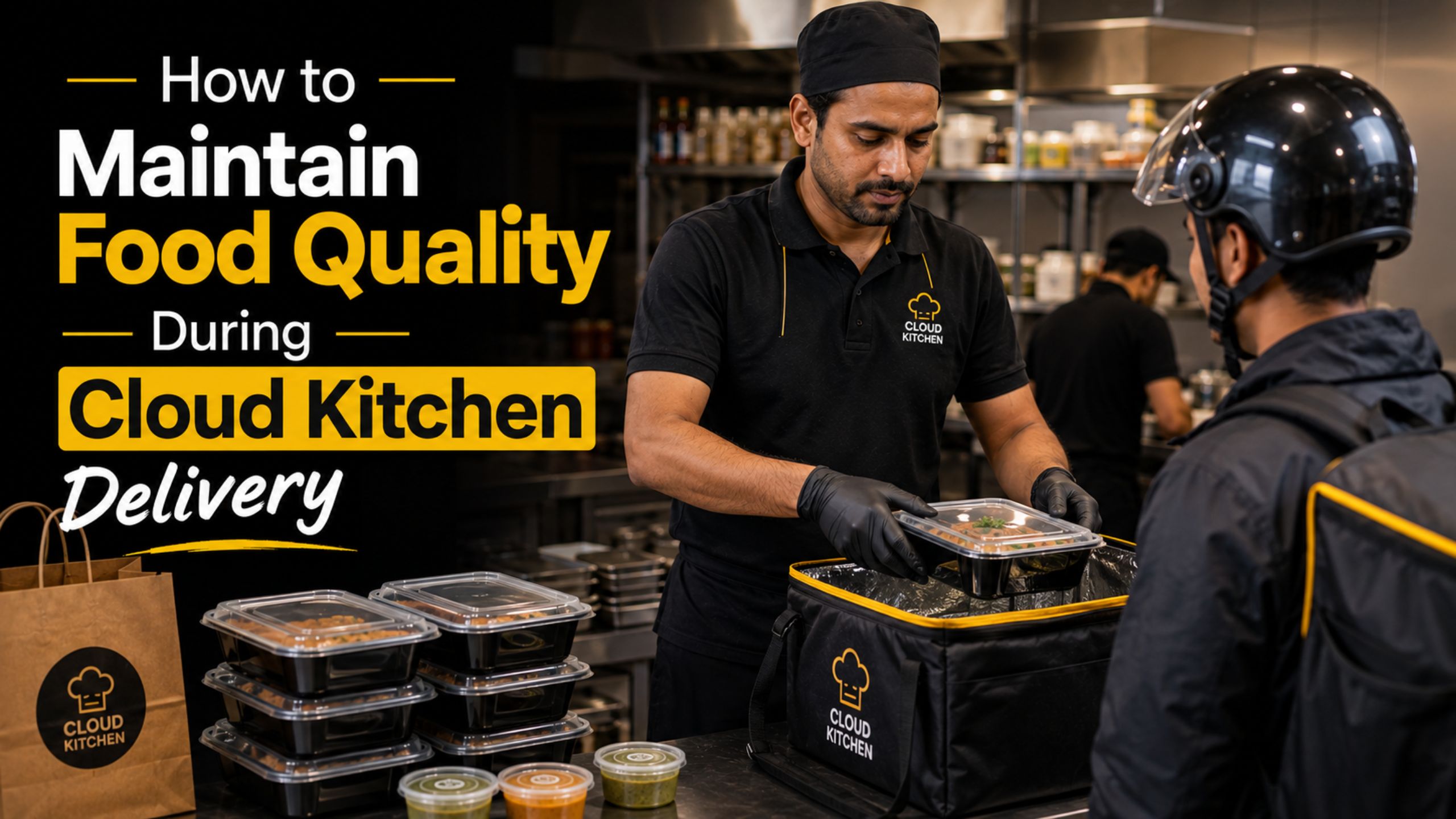
How to Maintain Food Quality During Cloud Kitchen Delivery
Running a cloud kitchen is not only about preparing tasty food. The real test starts when the food leaves your kitchen. A dish that looks perfect when packed can reach the customer cold, soggy, spilt, dry, or messy if it is not packed and handled correctly.
This is why food quality during cloud kitchen delivery needs as much attention as cooking. Customers judge the complete experience, not just the recipe. If the biryani is tasty but arrives cold, if fried snacks lose their crunch, or if curry leaks inside the delivery bag, the customer may feel disappointed even when the food itself was prepared well.
Delivery time, packaging, steam, temperature, movement, and distance can all change the condition of food. A small cloud kitchen may not have a large budget for packaging, but it can still build a simple system that protects food quality.
Good cloud kitchen food delivery practices can help you serve food that looks, tastes, and feels closer to how it was when it left the kitchen. This can lead to better customer satisfaction, stronger reviews, more repeat orders, and a better overall food delivery experience.
Why Does Food Quality Change During Delivery?
Food quality can change because of heat loss, trapped steam, movement, long waiting times, poor packaging, and incorrect packing.
For example, a hot curry packed in a loose container may leak. Fried food placed in a fully closed container while very hot may create steam and lose its crisp texture. A cold dessert kept beside a hot meal can also be affected by heat.
The key is simple: different foods need different delivery handling.
Your goal should be to protect:
- Taste
- Temperature
- Texture
- Freshness
- Appearance
- Hygiene
- Portion presentation
Choose Packaging Based on the Food
There is no single best packaging for cloud kitchen food. The right option depends on what you are sending.
A burger needs a different container from curry. Biryani needs different handling from salad. A cold beverage should not be packed in the same way as hot gravy.
| Food Type | Common Delivery Problem | Suitable Packaging Approach | Quality Tip |
| Biryani | Heat loss, steam | Sturdy food container with secure lid | Pack after a short resting period |
| Burger | Soggy bun | Ventilated burger box | Do not trap excess steam |
| Pizza | Loss of crust texture | Pizza box with ventilation | Avoid sealing it completely |
| Fried snacks | Soggy texture | Vented paper or food box | Allow excess steam to escape |
| Curries | Leakage | Leak-resistant container | Keep upright during transport |
| Noodles | Excess moisture | Strong container with secure lid | Do not overfill |
| Rice dishes | Drying or spills | Tight food container | Maintain correct portion size |
| Salads | Wilting | Separate cold container | Keep dressing separate |
| Desserts | Melting or damage | Small rigid container | Keep away from hot food |
| Beverages | Spills | Sealed cup or bottle | Use a secure outer carrier |
The Rolling Plate also covers food business planning and menu decisions in its guide on cloud kitchen menu planning. Delivery suitability should be considered when deciding which dishes belong on your menu.
How to Keep Food Hot During Delivery
Hot food naturally starts losing heat as soon as it leaves the cooking area. The answer is not simply to pack everything while it is extremely hot.
Instead, focus on timing and suitable containers.
1. Cook as close to dispatch as possible
Avoid preparing food too early and allowing it to sit on the counter while waiting for the delivery partner.
2. Use suitable containers
Choose containers that can handle hot food and close securely. They should protect the food without creating too much trapped moisture.
3. Pre-arrange the order
Keep packaging, labels, cutlery, sauces, and bags ready before the food is finished. This reduces the time between cooking and dispatch.
4. Use an insulated delivery bag
For longer delivery distances, an insulated bag can help reduce temperature loss during transportation.
5. Reduce pickup delays
A perfectly packed meal can still arrive cold if it waits for too long before pickup. Monitor order preparation time and coordinate with delivery partners when possible.
How to Prevent Food From Getting Soggy
Sogginess is one of the most common delivery problems, especially with fried food.
Steam is often the main reason. When hot food is placed inside a tightly sealed container, moisture can collect inside the packaging and soften the food.
For how to prevent food from getting soggy, try these simple steps:
- Use containers with suitable ventilation for fried items.
- Do not pack fried food with wet sauces.
- Keep chutneys and dips separate.
- Avoid overfilling the container.
- Do not place very hot fried food into packaging that traps excessive steam.
- Pack crispy toppings separately when possible.
For example, samosas, fries, pakoras, fried chicken, and crispy momos should not sit in liquid or heavy steam.
A burger can also become soggy when hot ingredients, sauces, and condensation remain trapped inside a closed box. Use packaging that allows some moisture to escape without leaving the food exposed.
Prevent Gravy and Liquid Food From Leaking
Leakage can damage the entire order. A leaking curry container can soak the paper bag, stain other boxes, and make the customer feel that the order was poorly packed.
To prevent food leakage during delivery:
- Choose a leak-resistant container.
- Do not fill it to the top.
- Close the lid firmly.
- Check the lid before placing it inside the delivery bag.
- Keep liquid containers upright.
- Separate gravy containers from dry foods when needed.
- Avoid placing heavy items directly on top of liquid containers.
For curries, dal, sauces, soups, and gravies, container quality matters more than fancy packaging.
Keep Sauces, Chutneys, and Dips Separate
Many food businesses lose food quality because sauces are packed directly with the main item.
Think about fries with mint chutney. If the chutney is poured over the fries before delivery, the fries may lose their texture before the customer opens the box.
The same applies to:
- Burger sauces
- Pizza dips
- Chutneys
- Mayo
- Salad dressing
- Gravy
- Pickles
- Cheese sauces
Use separate small containers or sealed sachets where practical.
This gives the customer more control and helps the main food maintain its original texture.
Control Steam and Moisture Inside Containers
Steam is useful for some foods but harmful for others.
Biryani and rice dishes can handle some moisture, while fried snacks and crispy foods need more ventilation.
When deciding how to pack food for delivery, ask one simple question:
Does this food need to retain moisture or release moisture?
If it needs moisture, use a secure container that helps retain heat and softness.
If it needs to stay crisp, use packaging that allows excess steam to escape.
This small change can make a big difference in food quality in cloud kitchen operations.
Use the Right Container Size
Do not use one large container for every order.
An oversized container allows food to move around during transportation. This can damage burgers, desserts, toppings, and delicate items.
An extremely small container can crush food and trap too much moisture.
Choose a container that gives the food enough space without leaving excessive empty room.
For example:
- Biryani should fit comfortably without being compressed.
- Burgers should not touch the lid.
- Salads should have enough space for ingredients to stay fresh.
- Desserts should sit securely instead of sliding around.
- Curries should have enough headspace to reduce spill risk.
Pack Food in the Correct Order
A simple packing sequence can reduce mistakes.
Step 1: Finish cooking
Prepare the food according to your standard recipe and portion.
Step 2: Check the food
Look at the portion, appearance, texture, and temperature.
Step 3: Pack the main item
Use the correct container for that specific dish.
Step 4: Add separate sides
Pack sauces, chutneys, dips, pickles, and toppings separately where needed.
Step 5: Add cold items separately
Keep salads, desserts, and cold beverages away from hot food whenever possible.
Step 6: Seal and label
Secure the containers and label the order clearly.
Step 7: Final order check
Compare the packed items with the order ticket before dispatch.
Keep Cold Food Cold
Cold foods need different handling from hot meals.
Salads, chilled desserts, cold beverages, yoghurt-based dishes, and other temperature-sensitive items should not sit beside hot food for long periods.
Use suitable containers and keep cold items separate from hot dishes during packing and transport.
Also avoid preparing delicate salads too far in advance. Ingredients such as leafy vegetables can lose freshness when they sit with dressing.
Keep dressings separate whenever possible.
Use Tamper-Evident Packaging Where It Makes Sense
Tamper-evident seals can provide an extra layer of confidence for customers.
They are especially useful for:
- Delivery bags
- Beverage lids
- Sauce containers
- Meal boxes
- High-value orders
The purpose is simple. The customer should be able to see that the order was packed securely before leaving the kitchen.
Reduce Waiting Time Before Pickup
One of the easiest ways to improve food delivery quality is to reduce unnecessary waiting.
Do not finish cooking an order and leave it open on the counter while the team searches for packaging.
Keep your packing station ready with:
- Food containers
- Bags
- Labels
- Stickers
- Cutlery
- Tissues
- Sauce containers
- Sealing material
Your team should know exactly where each item is.
The Rolling Plate’s content on cloud kitchen profitability and hidden costs also highlights areas such as packaging, delivery, wastage, and other operating costs that can affect a food business.
Handle Long Delivery Distances Carefully
A meal travelling for 15 minutes does not face the same challenge as one travelling for 45 minutes.
For longer distances:
- Choose stronger packaging.
- Use insulated delivery bags.
- Avoid foods that lose quality quickly.
- Separate sauces and wet ingredients.
- Secure containers properly.
- Avoid packing delicate items underneath heavy containers.
- Monitor which menu items receive quality complaints after longer deliveries.
If one dish repeatedly arrives in poor condition, review its recipe, packaging, portion size, and delivery radius.
Sometimes the best solution is not better packaging. It may be changing how the food is prepared or whether the item should be offered for long-distance delivery.
Maintain Hygiene During Packing
Good presentation means little if packing is not hygienic.
Staff should:
- Wash hands properly.
- Use clean packing surfaces.
- Keep packaging away from dirty areas.
- Avoid touching food directly.
- Keep containers clean and dry.
- Seal food properly.
- Check damaged or dirty packaging before use.
A clean packing station should be treated as seriously as the cooking area.
Use a Simple Pre-Dispatch Quality Checklist
Every cloud kitchen can create a short checklist for every order.
Pre-Dispatch Food Quality Checklist
☐ Correct food item packed
☐ Correct portion packed
☐ Food looks fresh and presentable
☐ Container is suitable for the food
☐ Lid is properly closed
☐ No leakage
☐ Sauces and chutneys are included
☐ Cold items are separated from hot food
☐ Cutlery and tissues added if required
☐ Order label matches the customer order
☐ Packaging is clean and undamaged
☐ Tamper seal applied where required
☐ Delivery bag is secure
☐ Order is ready for immediate pickup
This checklist takes very little time but can prevent avoidable mistakes.
How Better Delivery Quality Helps Your Business
Customers usually remember the complete experience.
If food arrives fresh, properly packed, attractive, and close to the expected temperature, the customer is more likely to feel satisfied with the order.
Good food quality during cloud kitchen delivery can support:
- Better customer satisfaction
- More positive reviews
- Better ratings
- More repeat orders
- Fewer complaints
- Stronger brand trust
Packaging is therefore not just a cost. It is part of the product experience.
The Rolling Plate also publishes guidance on profit margins in a cloud kitchen, where packaging is considered alongside other costs that affect the final profitability of an order.
Make Every Delivery Feel Fresh From the Kitchen
Maintaining food quality during cloud kitchen delivery does not always require expensive equipment or premium packaging. It starts with understanding how each food item behaves after cooking.
Use the right container, control steam, separate wet and dry ingredients, protect hot and cold foods differently, reduce waiting time, and check every order before dispatch.
Most importantly, track customer complaints. If customers repeatedly say that fries are soggy, curry is leaking, or desserts arrive damaged, treat that feedback as a signal to review your packing process.
A strong delivery system is built through small improvements made every day. The Rolling Plate focuses on helping food entrepreneurs build and manage delivery-focused food businesses with practical business and operational support.
If you need help with your cloud kitchen setup, menu, packaging, or food business planning, you can contact us to learn more.
Frequently Asked Questions
1. How can I maintain food quality during cloud kitchen delivery?
Use food specific packaging, reduce waiting time, separate wet and dry items, control steam, and check every order before dispatch. The packing method should match the type of food.
2. How do I keep food hot during delivery?
Pack hot food shortly after preparation, use suitable containers, reduce pickup delays, and use insulated delivery bags for longer journeys.
3. How can I prevent fried food from getting soggy?
Use packaging that allows excess steam to escape and keep sauces, chutneys, and wet toppings separate from fried food until the customer is ready to eat.
4. What is the best packaging for cloud kitchen food?
There is no single best packaging for every food item. Choose containers based on whether the food needs heat retention, ventilation, leak protection, or separation from moisture.
5. How can I prevent food leakage during delivery?
Use leak resistant containers, avoid overfilling, close lids firmly, keep liquid items upright, and check every container before placing it inside the delivery bag.
6. How can I keep food fresh during long delivery distances?
Use suitable packaging, separate wet and dry ingredients, protect hot and cold foods differently, reduce preparation waiting time, and review dishes that do not hold their quality during longer trips.
7. Should sauces and chutneys be packed separately?
Yes, separate sauces and chutneys when they can make the main food soggy or change its texture. This is especially useful for fries, fried snacks, burgers, salads, and crispy items.
8. How can a cloud kitchen maintain food hygiene during packing?
Keep the packing area clean, use clean containers, maintain proper hand hygiene, avoid direct contact with food, and check that packaging is clean and undamaged before dispatch.
9. Can better packaging increase repeat orders for a cloud kitchen?
Better packaging can improve the overall delivery experience by helping food arrive in better condition. A more consistent customer experience can support satisfaction and repeat ordering.
10. How does The Rolling Plate help with cloud kitchen food quality?
The Rolling Plate supports food entrepreneurs with cloud kitchen business planning, menu development, setup, and operational guidance. Food quality during delivery can be improved by building the right menu, packaging process, and kitchen workflow from the start.

Enquire Now
Recent Post



Other Blogs
Discover our latest news
and updates now.
Low Cost Food Franchise in India for First-Time Business Owners
October 21, 2026
Cafe Franchise in India: Investment, Space, Fees & How to Start
October 19, 2026
KFC Franchise in India: Investment, Requirements & Franchise Process
October 04, 2026