

Do’s & Don’ts of Running a Profitable Cloud Kitchen in India
Do’s & Don’ts of Running a Profitable Cloud Kitchen in India
Starting a cloud kitchen business in India feels like riding a rollercoaster – thrilling, challenging, and full of surprises! If you’re a home chef dreaming of serving thousands or a restaurant owner looking to expand smartly, you’ve probably noticed how food delivery apps have changed everything. Gone are the days when you needed fancy dining spaces and huge investments. Today, a small kitchen in Bangalore’s HSR Layout or Mumbai’s Andheri can serve delicious meals to hundreds of customers daily.
The online food delivery business has exploded in India, with people ordering everything from biryani to burgers at the tap of a button. But here’s the truth – while starting seems easy, making your cloud kitchen profitable requires smart decisions and avoiding costly mistakes. Whether you’re planning to work with the Zomato Swiggy kitchen model or go independent, this guide will show you exactly what to do and what to avoid.
Understanding the Cloud Kitchen Business Model in India
What Makes Cloud Kitchens Different?
A cloud kitchen business in India operates without any dining area – it’s purely delivery-based. Think of it as a professional kitchen that exists only to fulfill online orders. Your customers never visit; they simply order through apps or your website, and you deliver hot, fresh food to their doorstep.
The beauty lies in the numbers. While a traditional restaurant might need ₹50 lakhs to start, you can launch a basic cloud kitchen with a cloud kitchen setup cost of just ₹5-10 lakhs. No expensive furniture, no trained waiters, no prime location rent – just a functional kitchen and solid operations.
Essential Do’s for Running a Profitable Cloud Kitchen
1. Start with Smart Menu Planning
Your menu is your biggest weapon in the food aggregator business. Keep it focused and profitable:
- Choose dishes that travel well – Nobody wants soggy fries or melted ice cream
- Limit your menu to 15-20 items initially – Master these before expanding
- Calculate food costs carefully – Each dish should have at least 60-70% profit margin
- Test recipes multiple times – Consistency builds customer loyalty
2. Master Kitchen Operations Management
Efficient kitchen operations management separates profitable kitchens from struggling ones:
- Create standard operating procedures (SOPs) for every dish
- Train your staff thoroughly – Even one person can impact quality
- Implement inventory tracking – Know exactly what you have and need
- Maintain cooking time charts – Speed matters in the delivery business
3. Invest in Quality Packaging
Good packaging protects your brand reputation:
- Use leak-proof containers for gravies and liquids
- Choose eco-friendly options when possible – customers appreciate it
- Include proper labelling with heating instructions
- Add your brand stickers and thank-you notes
4. Build Strong Hygiene Standards
Nothing kills a cloud kitchen business in India faster than hygiene issues:
- Follow FSSAI guidelines strictly
- Conduct daily kitchen audits
- Train staff on hand washing and sanitization
- Maintain pest control schedules
- Document everything – Photos, checklists, certificates
5. Optimize for Food Aggregators
Working with the Zomato Swiggy kitchen model requires strategy:
- Maintain high ratings by addressing complaints quickly
- Respond to reviews – Both positive and negative
- Optimize your menu descriptions with appealing keywords
- Upload high-quality food photos
- Offer exclusive deals during off-peak hours
6. Focus on Pricing Strategy
Profitable cloud kitchen tips always emphasize smart pricing:
- Research competitor prices in your area
- Factor in delivery charges and platform commissions
- Create combo offers to increase order value
- Test different price points to find the sweet spot
7. Embrace Digital Marketing
Don’t rely only on food aggregator business platforms:
- Build your own website for direct orders
- Use WhatsApp Business for customer communication
- Run social media campaigns showcasing your kitchen
- Collect customer data for repeat marketing
- Create loyalty programs for regular customers
Critical Don’ts That Can Sink Your Cloud Kitchen
1. Don’t Ignore Food Cost Control
The biggest mistake in kitchen operations management is poor cost control:
- Never skip daily inventory checks
- Avoid buying ingredients without comparing prices
- Don’t prepare excess food hoping for orders
- Track wastage religiously
2. Don’t Compromise on Packaging Quality
Saving ₹2 on packaging can cost you customers:
- Avoid flimsy containers that leak or break
- Don’t use generic packaging without branding
- Never send food in damaged containers
- Skip the plastic cutlery if customers don’t need it
3. Don’t Over-Expand Your Menu
A common trap in the online food delivery business:
- Avoid adding dishes you can’t execute perfectly
- Don’t chase every food trend
- Skip ingredients that have short shelf life
- Resist customer requests for off-menu items
4. Don’t Neglect Delivery Times
Speed matters in the cloud kitchen business in India:
- Never promise unrealistic delivery times
- Don’t accept orders during peak traffic
- Avoid taking orders beyond your delivery radius
- Don’t rely on a single delivery partner
5. Don’t Underestimate Competition
The market is crowded with profitable cloud kitchen tips seekers:
- Don’t copy competitors blindly
- Avoid price wars that hurt margins
- Don’t ignore customer feedback about competitors
- Never assume customer loyalty without earning it
Practical Comparison: Do’s vs Don’ts Table
| DO’s | DON’Ts |
| Calculate exact food costs per dish | Guess ingredient costs roughly |
| Use sturdy, branded packaging | Buy cheapest containers available |
| Maintain 15-20 focused menu items | Offer 50+ dishes without mastery |
| Partner with multiple delivery services | Depend on single platform |
| Track daily sales and expenses | Check finances monthly |
| Train staff on hygiene standards | Assume staff knows basics |
| Respond to reviews within 24 hours | Ignore negative feedback |
| Test new dishes before launching | Add items without testing |
| Build direct customer database | Rely only on aggregator data |
| Maintain consistent taste | Change recipes frequently |
Breaking Down Cloud Kitchen Setup Costs
Understanding cloud kitchen setup cost helps you plan better:
| Expense Category | Estimated Cost (₹) |
| Kitchen Equipment | 2,00,000 – 3,00,000 |
| Initial Inventory | 50,000 – 1,00,000 |
| Licenses & Permits | 20,000 – 30,000 |
| Packaging Stock | 20,000 – 30,000 |
| Marketing Budget | 30,000 – 50,000 |
| Working Capital | 1,00,000 – 2,00,000 |
| Total Investment | 4,20,000 – 7,10,000 |
Advanced Strategies for Scaling Your Cloud Kitchen
Building Multiple Revenue Streams
Smart operators in the online food delivery business diversify income:
- Create virtual brands from the same kitchen
- Offer bulk orders for offices and events
- Sell meal subscriptions for regular customers
- Package and sell your special sauces or spices
Leveraging Technology
Modern kitchen operations management needs tech support:
- Use POS systems designed for cloud kitchens
- Implement order management software
- Track customer preferences through data
- Automate inventory alerts
Creating Brand Loyalty
Beyond the Zomato Swiggy kitchen model, build your identity:
- Develop signature dishes customers can’t find elsewhere
- Share your kitchen story on social media
- Surprise regular customers with freebies
- Create memorable unboxing experiences
Your Roadmap to Cloud Kitchen Success
Running a successful cloud kitchen business in India isn’t about having the fanciest equipment or biggest menu. It’s about understanding your customers, maintaining quality, controlling costs, and constantly improving. Every successful cloud kitchen started small, made mistakes, learned quickly, and grew steadily.
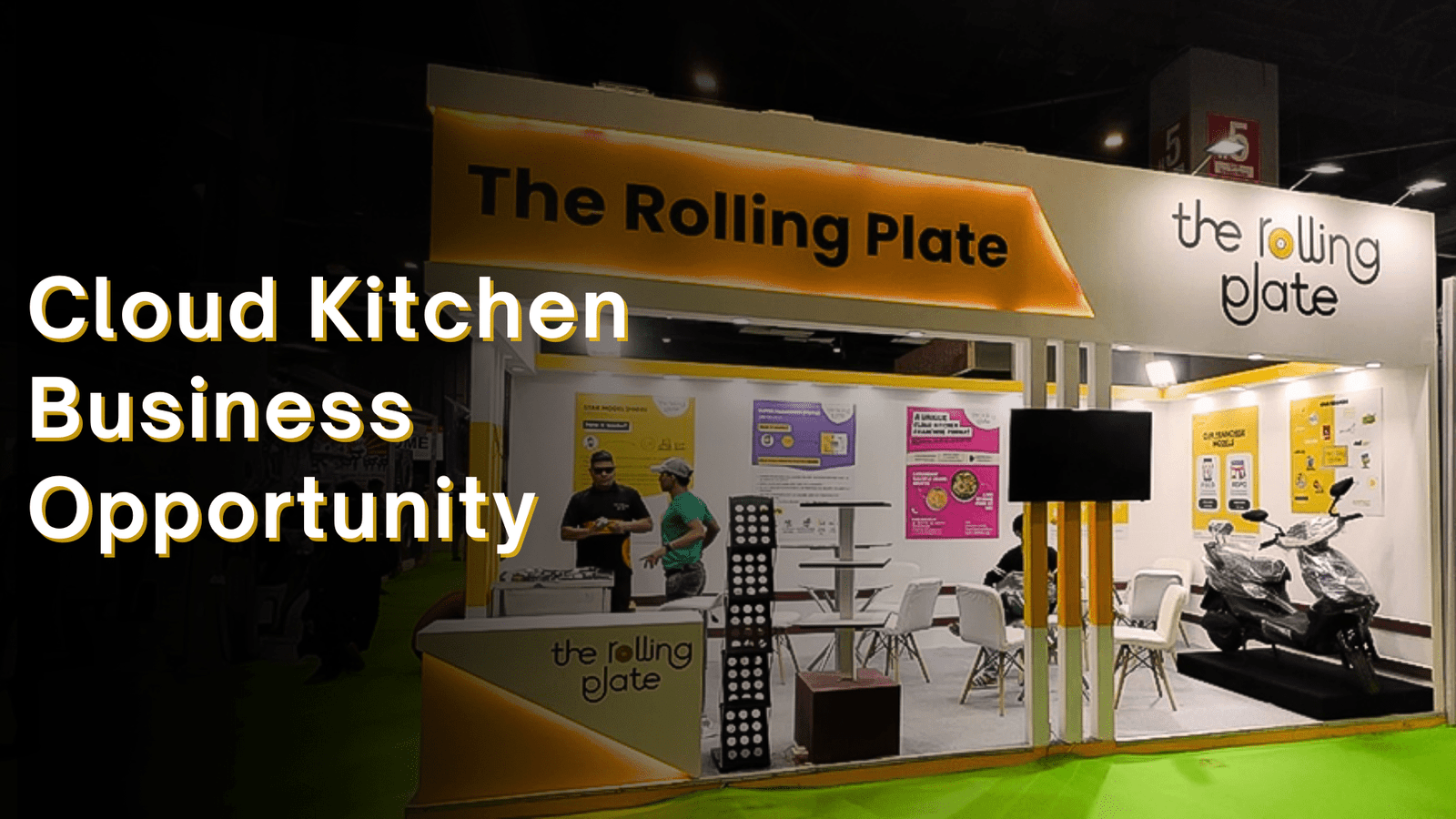
Remember, brands like The Rolling Plate started with just one kitchen and a dream. Today, they serve thousands of happy customers daily because they followed these principles religiously. Whether you’re starting your first kitchen or expanding your restaurant business online, these do’s and don’ts will guide you toward profitability.
Ready to turn your culinary dreams into a thriving business? Start small, think big, and never compromise on quality. The online food delivery business in India is waiting for passionate food entrepreneurs like you. Contact us for more guidance or support in setting up your profitable cloud kitchen venture.
Frequently Asked Questions (FAQs)
1. What is the minimum investment needed to start a cloud kitchen business in India?
The minimum cloud kitchen setup cost starts from ₹3-5 lakhs for a basic setup. This includes essential kitchen equipment, initial inventory, licenses, and working capital. However, for a more professional setup targeting the Zomato Swiggy kitchen model, you should budget ₹7-10 lakhs.
2. Can I run a cloud kitchen from my home in India?
Yes, you can start a home-based cloud kitchen business in India, but you need FSSAI registration, GST registration, and local municipal permissions. Many successful entrepreneurs begin from home kitchens before scaling up.
3. Which is more profitable – own delivery or using Zomato/Swiggy?
Using the food aggregator business model initially is easier as they provide customers and handle delivery. However, building your own delivery channel alongside gives better margins. Most profitable cloud kitchen tips suggest using both strategies.
4. How much can I earn from a cloud kitchen in India?
A well-run cloud kitchen serving 50-70 orders daily can generate ₹3-5 lakhs monthly revenue. With proper kitchen operations management, profit margins range from 15-25% after all expenses.
5. What licenses are required for starting a cloud kitchen?
Essential licenses include FSSAI food license, GST registration, local municipality health trade license, fire safety certificate, and if applicable, shop establishment license. These are mandatory for any online food delivery business.
6. How do I compete with established cloud kitchens?
Focus on a specific cuisine niche, maintain exceptional quality, price competitively, and build strong customer relationships. The Rolling Plate succeeded by starting with just 5 signature dishes and perfecting them before expanding.
7. What are the best locations for cloud kitchens in India?
Ideal locations have high population density, good delivery access, and reasonable rent. Areas near IT parks, residential complexes, and colleges work well for cloud kitchen business in India. Avoid prime commercial areas with high rent.
8. How important is packaging in cloud kitchen business?
Packaging is crucial – it’s your only physical touchpoint with customers. Good packaging maintains food temperature, prevents spillage, and reinforces brand identity. Never compromise on packaging quality in the online food delivery business.
9. Should I start with multiple cuisines or focus on one?
Profitable cloud kitchen tips strongly recommend starting with one cuisine you excel at. Master it completely before adding variety. Multi-cuisine kitchens often struggle with quality consistency and inventory management.
10. How do I handle negative reviews on food delivery apps?
Respond professionally within 24 hours, acknowledge the issue, apologize if needed, and offer a solution. Good review management is essential for success in the Zomato Swiggy kitchen model. Learn from feedback and improve continuously.

Enquire Now
Recent Post


Other Blogs
Discover our latest news
and updates now.
KFC Franchise in India: Investment, Requirements & Franchise Process
October 04, 2026
How to Make Money in the Food Industry
September 12, 2026