

Boosting Cloud Kitchen Profitability: Hidden Costs and Planning Strategies
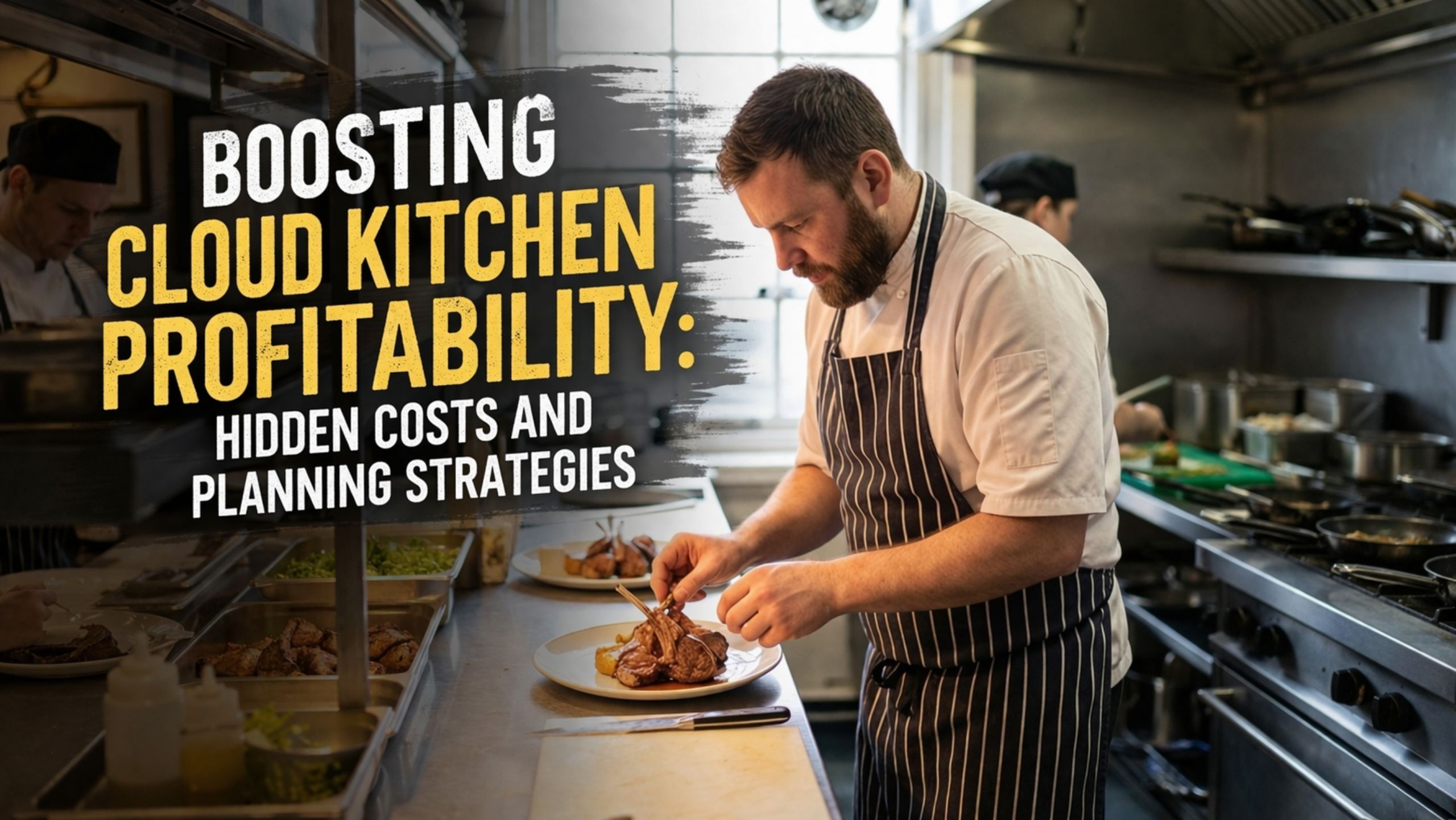
Boosting Cloud Kitchen Profitability: Hidden Costs and Planning Strategies
If your life moves fast, you love style, and convenience is your top priority, you probably enjoy food that fits into your modern routine. The cloud kitchen trend has become just that kind of revolution. It is fresh, flexible, and designed for people who like their meals served with a side of tech and trend. But behind the glossy photos and quick deliveries, there is a business story filled with smart planning and unseen challenges.
This guide uncovers the real secrets of Cloud Kitchen Profitability. We will talk about the hidden costs in cloud kitchen, how to plan right, and ways to increase cloud kitchen revenue through smart strategies that blend lifestyle and business thinking.
What Makes Cloud Kitchens So Popular
Cloud kitchens are basically delivery-only restaurants. There is no dine-in space. Orders come through apps or websites, and meals are sent directly to customers. Think of it like fashion delivered on demand, but instead of your outfit, it is your dinner that arrives perfectly packaged at your door.
For today’s fast-living crowd, time is the new luxury. The idea of enjoying restaurant-quality meals without having to dress up, travel, or wait in line is pure comfort. That is why these kitchens fit perfectly into the lifestyle of fashion lovers, young professionals, and everyone who values convenience mixed with taste.
But turning this trendy concept into a profitable venture needs more than good recipes. It takes smart planning, awareness of costs, and consistent marketing.
Understanding Cloud Kitchen Profitability
Cloud Kitchen Profitability means finding the balance between operational costs and revenue from orders. Since you save on rent and décor compared to normal restaurants, profit margins can look promising. But there are plenty of costs that quietly chip away at those earnings if you do not plan.
To become truly profitable, you must see the full picture—where your money comes from, where it goes, and how each decision shapes the result.
The Hidden Costs in Cloud Kitchen
At first glance, starting a cloud kitchen seems affordable. But when you dig deeper, some hidden costs start showing up. Let’s explore a few that often surprise new owners.
1. Packaging Costs
You are not serving food on plates. You are sending it out in boxes and containers that must keep it hot, fresh, and Instagram-ready. High-quality packaging may cost more, but cheap packaging can hurt your brand image and lead to poor customer reviews.
2. Delivery Expenses
Online delivery platforms charge commissions for every order. This can eat into your profit if not calculated properly. Even if you run your own delivery team, you must pay for bikes, fuel, and staff.
3. Marketing and Promotions
To reach new customers, you will spend on digital ads, influencer tie-ups, or app discounts. These promotional costs are often underestimated but play a big role in overall Cloud Kitchen Profitability.
4. Software Subscriptions
You will need tools for order tracking, data analysis, and menu management. These subscriptions look cheap at first but stack up over time.
5. Food Wastage
Overbuying ingredients or misjudging orders leads to waste. Careful inventory management helps reduce this cost.
6. Maintenance and Licenses
Kitchen equipment breakdowns or renewal of business licenses can disrupt your budget. Keeping a small emergency fund is wise.
Each hidden expense is small alone but together they shape your bottom line.
Building a Smart Cloud Kitchen Business Plan
To achieve strong Cloud Kitchen Profitability, you need a clear cloud kitchen business plan. It is like your style guide before launching a fashion brand.
Here’s how to plan every step smartly.
1. Define Your Target Audience
Know who you are cooking for. Are they students looking for affordable bites or office workers craving fresh and fast meals? When you match your menu to lifestyle, you attract loyal repeat orders.
2. Select the Right Location
Even with delivery-based setups, location matters. Choose an area with strong online order demand and easy delivery routes.
3. Create a Balanced Menu
A small but focused menu works better than a large confusing one. Use signature dishes that define your kitchen’s personality.
4. Set Pricing Wisely
Analyze what your competitors charge. Add your overhead costs and desired profit margin before fixing prices.
5. Plan Equipment and Staffing
Buy efficient machines that reduce prep time. Train your team to handle online orders smoothly.
6. Focus on Branding
People eat with their eyes first. Your logo, food names, and packaging must reflect your identity.
Your cloud kitchen business plan is not just a document. It is your map to keep operations lean and profit high.
Ways to Increase Cloud Kitchen Revenue
Once the setup runs smoothly, it is time to grow income. Here are smart ways to increase cloud kitchen revenue.
1. Partner with Multiple Delivery Platforms
Do not depend on one app. Listing on more platforms helps you reach more people and boost order volume.
2. Add Combo Meals and Add-ons
Meals with sides or drinks encourage bigger purchases. Create value combos that sound irresistible.
3. Rotate Menus by Season or Trend
Keep your offerings trendy. For example, a refreshing salad in summer or spicy bowls in winter. This freshness attracts returning customers.
4. Offer Subscription Plans
Some people love getting meals daily or weekly. Offer plans with small discounts to build a predictable income.
5. Use Data Wisely
Study which dishes bring repeat orders and which ones have slow sales. Adjust your menu to favour profitable items.
6. Improve Delivery Speed
Faster deliveries mean happier customers and higher ratings, which leads to more visibility on apps.
These simple actions together can power steady growth and raise your Cloud Kitchen Profitability.
Creative Food Delivery Business Tips
Unique brand presence helps survival in the crowded online space. Here are practical food delivery business tips to stand out.
1. Stylish Packaging
Good design adds a cool vibe to your deliveries. Make unboxing feel as exciting as opening a gift.
2. Partner with Local Influencers
Fashion and food cross paths perfectly here. A stylish influencer sharing your meal instantly adds trend value.
3. Build a Social Story
Share how your dishes are made, use fun reels, or show your chef plating bowls. This builds trust and curiosity.
4. Reward Loyal Customers
Simple loyalty points or surprise discounts help retain customers.
5. Maintain Consistent Taste
Every order must taste the same as the first one. Consistency turns first-time eaters into fans.
Successful Cloud Kitchen Marketing Strategies
Strong visibility brings stronger sales. Focused cloud kitchen marketing strategies make all the difference.
1. Create a Unique Brand Voice
Speak in a tone that matches your audience. Whether you want playful or elegant, stay consistent.
2. Use SEO and Local Listings
Ensure your kitchen is easy to find on Google. Use keywords like Cloud Kitchen Profitability and cloud kitchen business plan within your site.
3. Run Paid Ads Smartly
Target people by location and food interests. Ads with appealing food pictures perform better.
4. Encourage Reviews
Positive customer reviews improve your listings on delivery platforms and add social proof.
5. Host Limited-Time Offers
Scarcity triggers curiosity. Limited items push faster decisions from customers.
6. Connect with Lifestyle Brands
Tie-ups with fashion or tech brands can attract new shared audiences who love the same modern vibe.
Managing Finances for True Profit
Even a stylish business needs strong numbers behind it. Keep simple yet effective financial habits.
- Track every daily expense
- Review food cost vs delivery fees weekly
- Reinvest some profit into marketing to fuel growth
- Use simple software to monitor income trends
Consistency here protects your Cloud Kitchen Profitability even during quiet seasons.
Frequently Asked Questions
1. What is a cloud kitchen?
A cloud kitchen is a delivery-only restaurant where food is prepared specifically for online orders without any dine-in space. It operates through food delivery apps or its own website, making it a cost-effective and flexible business model for modern food entrepreneurs.
2. How can I plan a good cloud kitchen business plan?
To create a strong cloud kitchen business plan, you should clearly define your target audience, menu, pricing strategy, operational setup, and marketing approach. It is also helpful to seek expert guidance from teams like The Rolling Plate to ensure your plan is practical, scalable, and aligned with current market trends.
3. What are the main hidden costs in cloud kitchen setups?
The hidden costs in cloud kitchens include packaging, delivery commissions, marketing expenses, software subscriptions, food wastage, and maintenance. These costs may seem small individually, but together they can significantly impact your overall Cloud Kitchen Profitability if not managed carefully.
4. How can I increase cloud kitchen revenue quickly?
You can increase cloud kitchen revenue by offering combo meals, adding trending dishes, partnering with multiple delivery platforms, and introducing subscription meal plans. Consistent promotions and customer engagement strategies also help in boosting repeat orders and overall sales.
5. What type of marketing helps cloud kitchens perform better?
Cloud kitchens perform best with a mix of digital marketing strategies such as social media promotions, influencer collaborations, paid ads, and strong customer reviews. Creating visually appealing content and maintaining a consistent brand voice also plays a key role in attracting more customers.
6. Is a cloud kitchen more profitable than a regular restaurant?
A cloud kitchen can be more profitable than a traditional restaurant due to lower rent, reduced staffing, and minimal infrastructure costs. However, success depends on proper planning, cost control, and execution. With the right strategy and support from experienced teams like The Rolling Plate, profitability can be significantly improved.
7. How important is packaging in cloud kitchen profitability?
Packaging is extremely important because it directly affects food quality, customer experience, and brand perception. Good packaging keeps food fresh during delivery and creates a strong first impression, which can lead to better reviews and repeat orders.
8. Can small cloud kitchens compete with big food brands?
Yes, small cloud kitchens can successfully compete with large brands by focusing on unique flavours, consistent quality, niche targeting, and strong digital branding. Personalized customer experience and creative marketing often give smaller brands an edge.
9. What tools can help manage a cloud kitchen?
Cloud kitchen operations can be managed efficiently using order management software, inventory tracking tools, analytics platforms, and customer feedback systems. Additionally, expert services like The Rolling Plate can help streamline operations and improve efficiency.
10. How often should I review my cloud kitchen business plan?
You should review your cloud kitchen business plan every three to six months. Regular reviews help you adapt to market trends, customer preferences, and operational challenges, ensuring long-term growth and stable Cloud Kitchen Profitability.
From Smart Planning to Profitable Cloud Kitchen Success
Running a cloud kitchen is not just about cooking well. It is about understanding today’s lifestyle, where people seek taste, time, and convenience all in one. Just like dressing right for the mood of the day, your kitchen must match the speed and appetite of your audience.
To keep your Cloud Kitchen Profitability strong, plan wisely, stay flexible, and keep your food as stylish as your brand. If you want expert help shaping your next big kitchen idea, reach out to The Rolling Plate. We understand what makes a delivery-first business shine. Contact us to start your journey toward smarter profits and happier food lovers.

Enquire Now
Recent Post

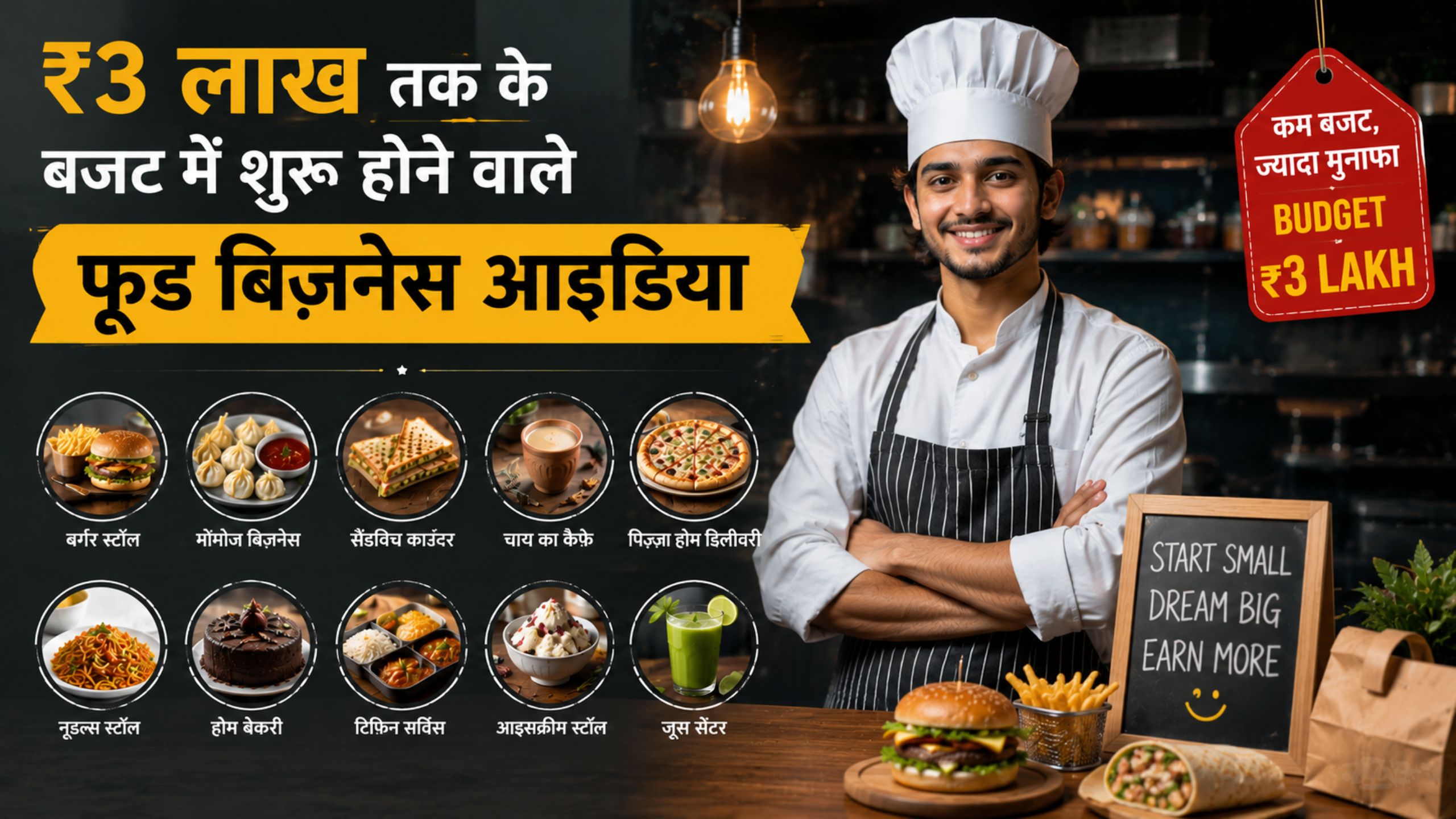
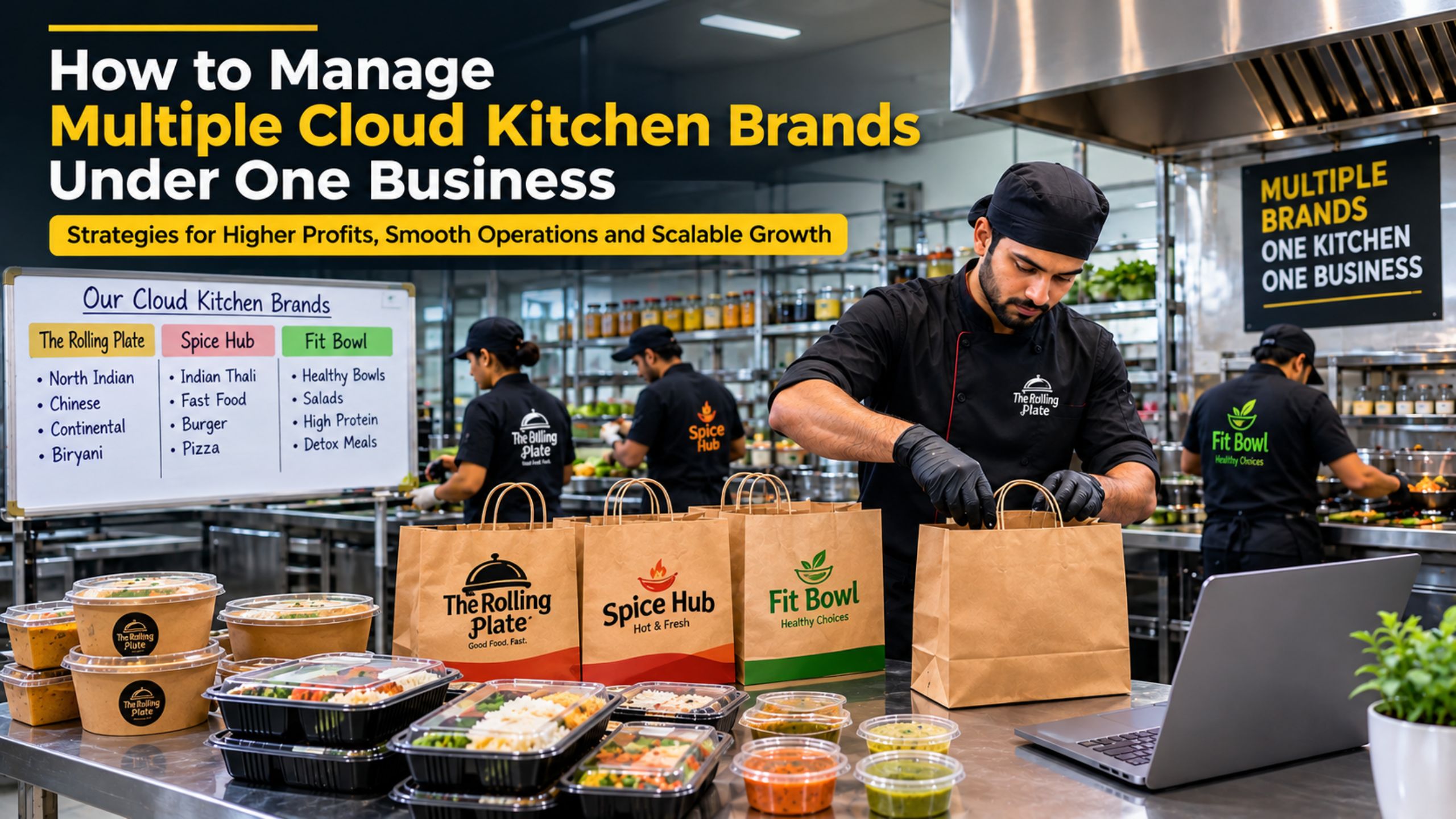

Other Blogs
Discover our latest news
and updates now.
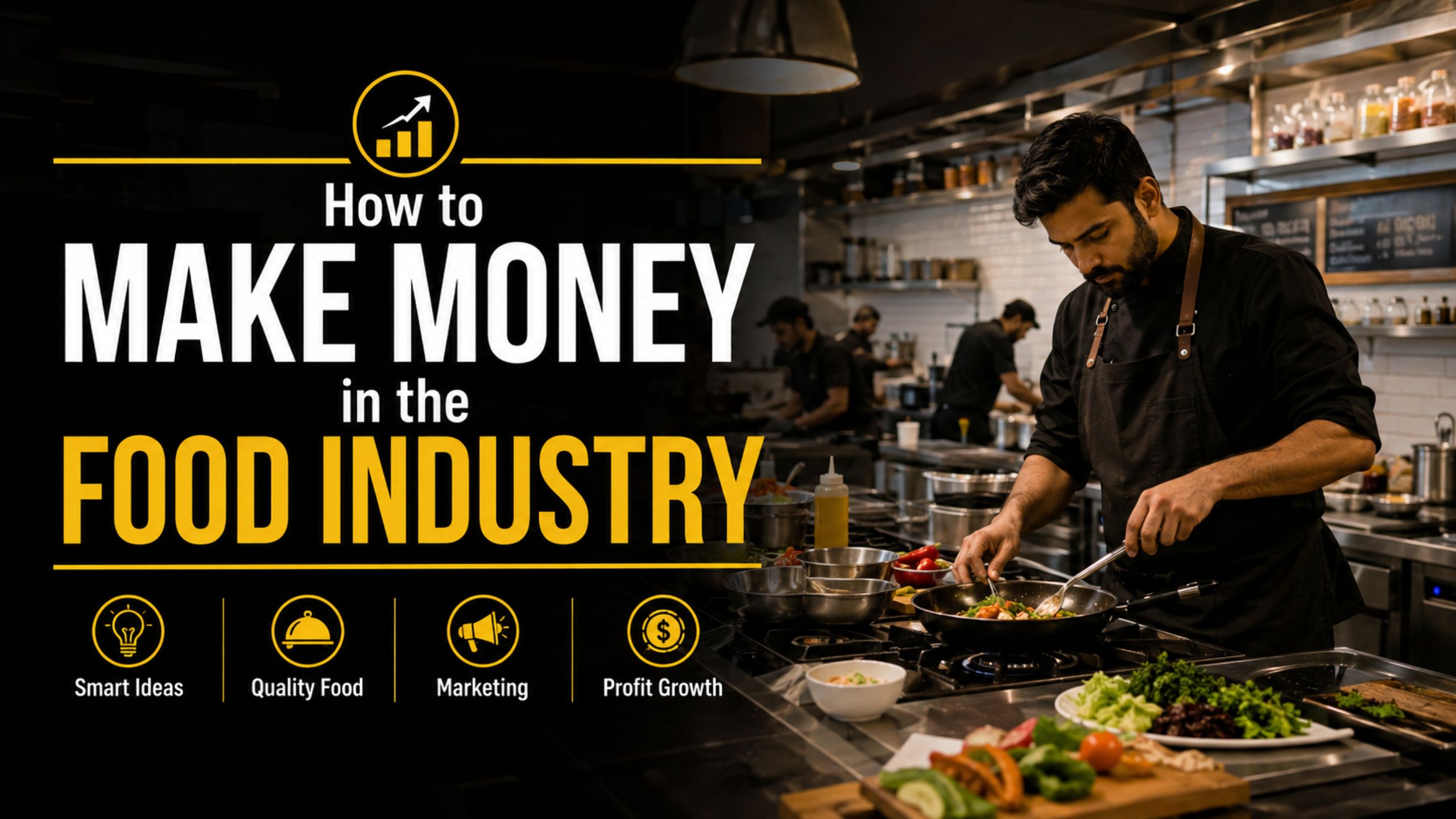
How to Make Money in the Food Industry
September 12, 2026

रेस्टोरेंट में टैक्स कैसे बचाएं? जानें 7 आसान तरीके
September 12, 2026
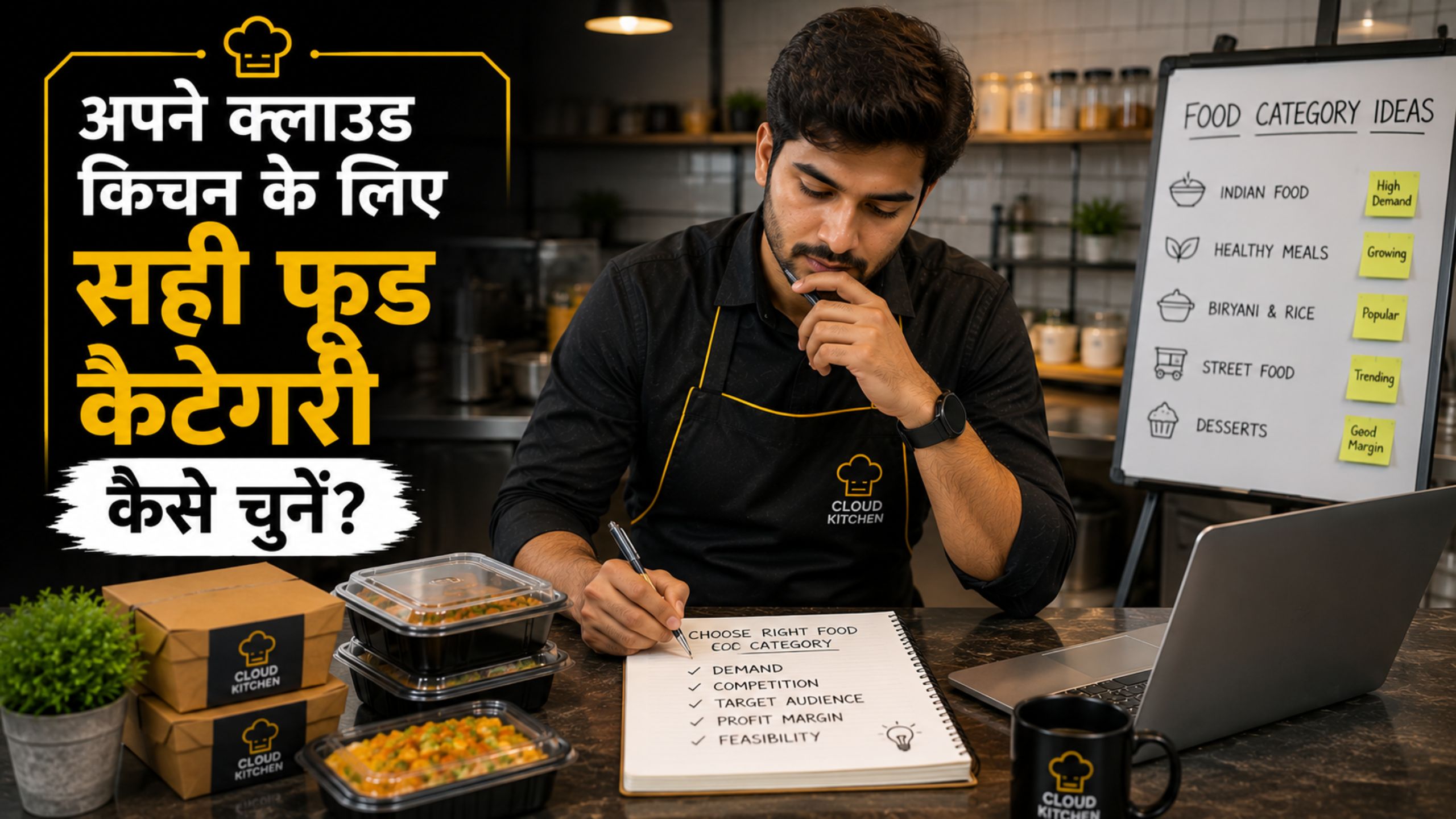
अपने क्लाउड किचन के लिए सही फूड कैटेगरी कैसे चुनें?
September 04, 2026
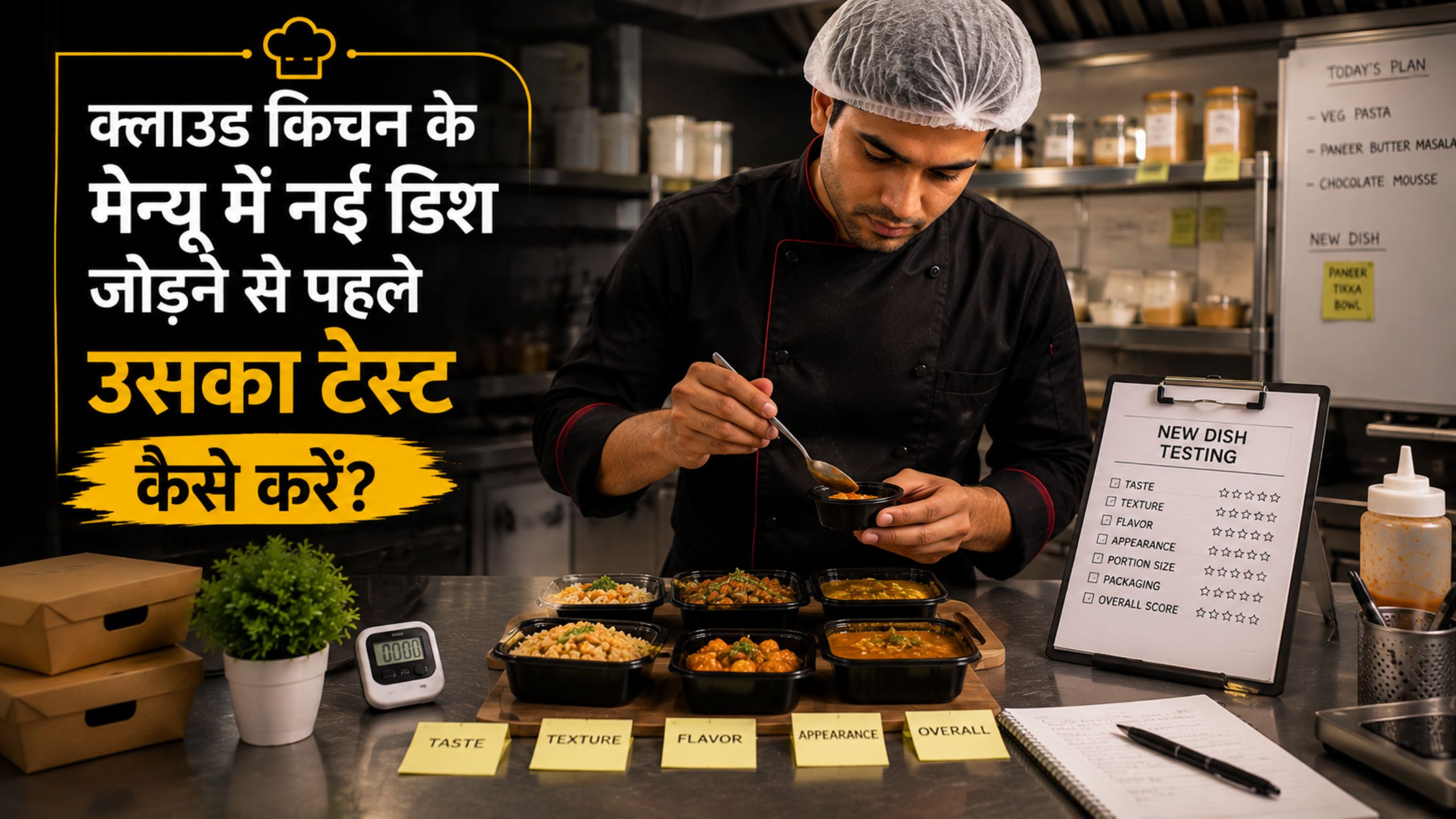
क्लाउड किचन के मेन्यू में नई डिश जोड़ने से पहले उसका टेस्ट कैसे करें?
September 03, 2026
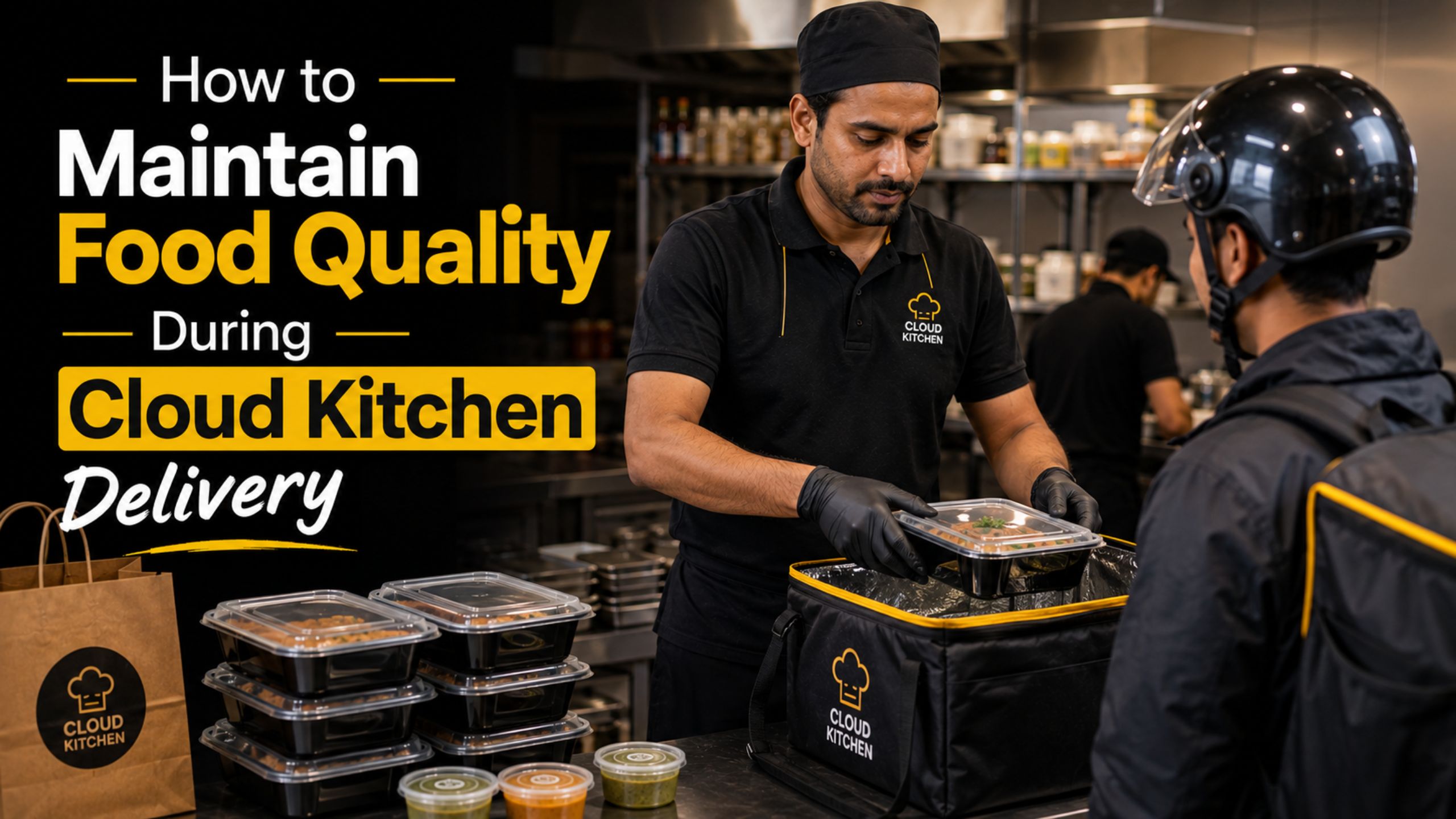
How to Maintain Food Quality During Cloud Kitchen Delivery
September 02, 2026