

How to Make Money in the Food Industry
How to Make Money in the Food Industry
The food industry offers many ways to start a business, build regular income, and learn how to make money in the food industry. You can run a home-based food business, start a cloud kitchen, open a takeaway counter, offer catering services, sell packaged food, or invest in a food franchise.
However, earning profit in the food industry depends on proper planning. Selling food does not automatically mean earning profit. You must understand your customers, choose the right food category, control expenses, maintain quality, and encourage repeat orders.
The best business model depends on your budget, cooking skills, location, available space, competition, and business goals. Some people may start with a small home kitchen, while others may prefer a managed cloud kitchen franchise.
1. Start a Cloud Kitchen
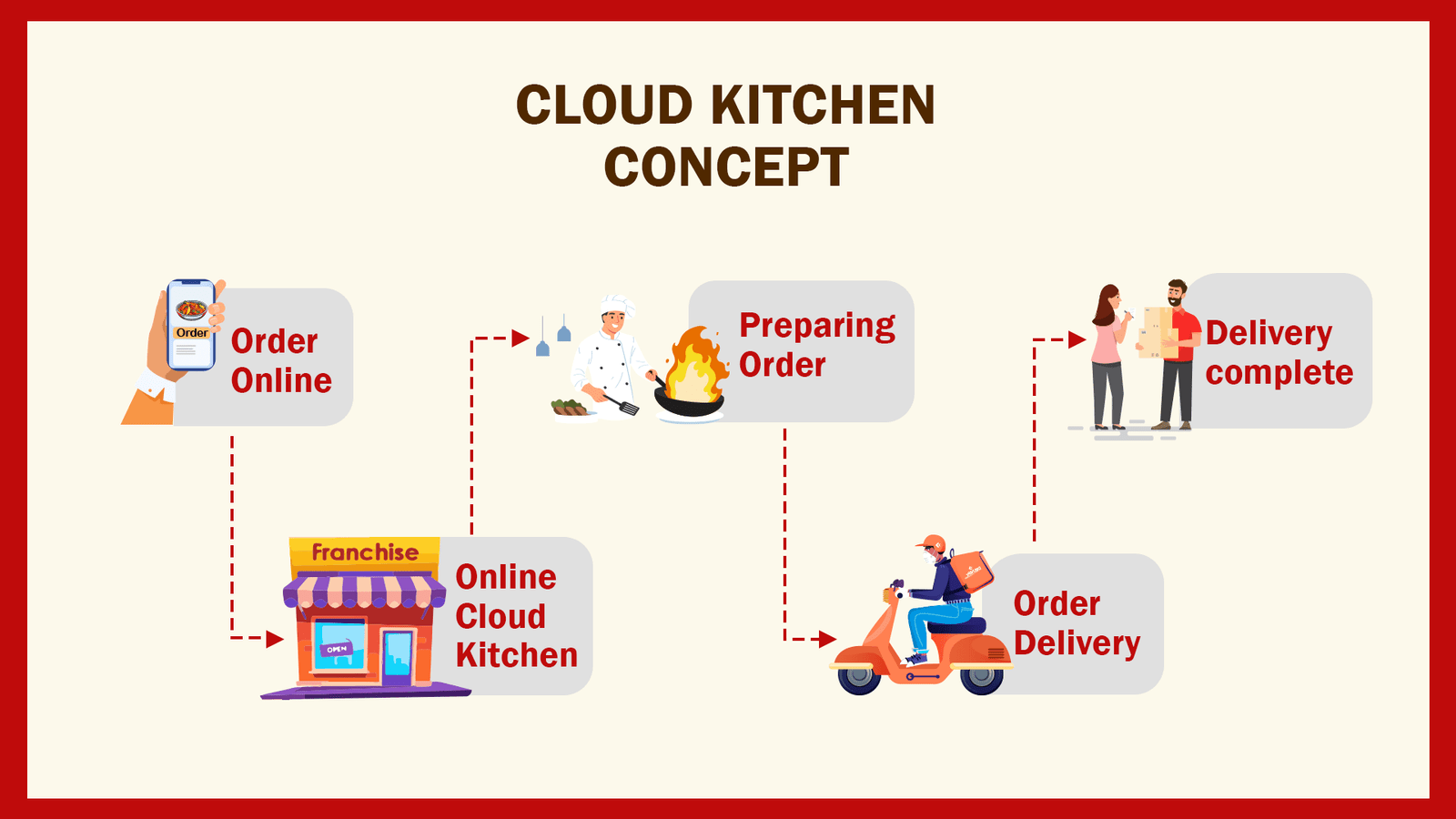
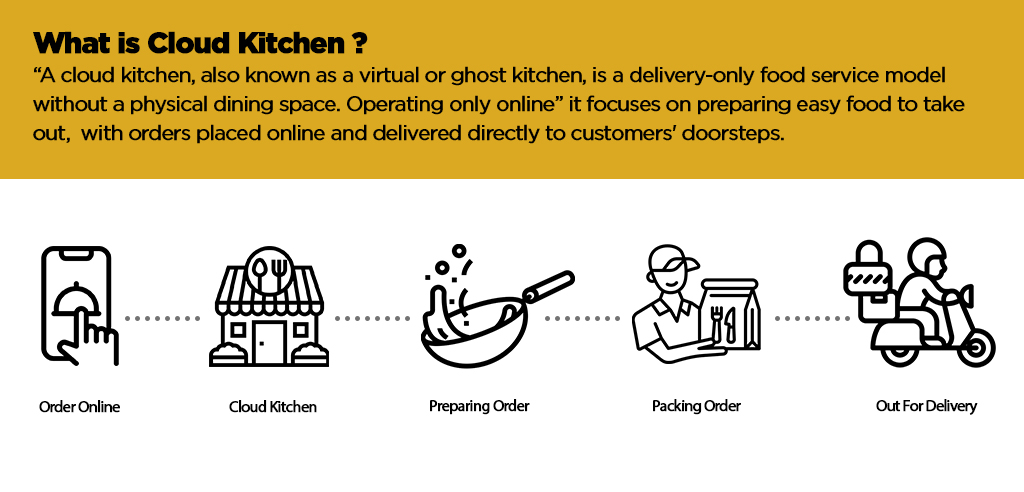
A cloud kitchen business prepares food mainly for delivery and takeaway. It does not need a large dining area, expensive interiors, or a team of waiters.
You can start with food categories such as:
- Biryani
- Burgers
- Rolls and wraps
- North Indian meals
- Chinese food
- Momos
- Desserts
- Healthy meal boxes
- Snacks and beverages
A cloud kitchen can be a suitable option for beginners because it allows them to focus on food preparation and online orders. However, you still need to manage food cost, packaging, delivery time, customer reviews, and platform charges.
Before starting, study the demand in your area. Check what customers order, what competitors are offering, and whether you can provide better taste, pricing, packaging, or service.
If you want to understand the concept properly, read this guide on what a cloud kitchen is and how it works.
2. Run a Food Business From Home
A food business from home can be a good starting point for people with cooking skills and limited funds.
You can sell:
- Homemade meals
- Lunch boxes
- Cakes and bakery products
- Pickles and chutneys
- Snacks
- Regional food
- Healthy meals
- Ready-to-cook products
Start with pre-orders instead of preparing large quantities without confirmed customers. This can reduce wastage and make ingredient planning easier.
You should also check the food safety, registration, packaging, and local requirements before selling food. Clean preparation, proper storage, and reliable delivery are important for building customer trust.
Start with neighbours, office workers, students, or nearby families. Their feedback can help you improve your menu before you spend money on advertising.
3. Open a Takeaway Counter or Food Stall
A takeaway business can work well near colleges, offices, markets, hospitals, and residential areas.
You can sell a focused menu of:
- Rolls
- Sandwiches
- Burgers
- Momos
- Tea and snacks
- Chaat
- South Indian breakfast
- Fresh juices
- Quick meals
The location is important because customers should be able to find your outlet easily. Before renting a shop, check customer movement, nearby businesses, parking, visibility, and peak hours.
A small food stall may require less money than a full restaurant, but it still needs good equipment, clean preparation, fast service, and proper stock management.
Do not spend too much on decoration before checking whether the location and food category can attract enough customers.
4. Offer Catering Services
Catering is another practical way to make money selling food. You can provide food for:
- Birthday parties
- Office meetings
- Family functions
- Small weddings
- Corporate lunches
- School events
- Religious gatherings
You do not need to begin with large events. Start with small orders and learn how to manage quantity, cooking time, transport, staff, and customer expectations.
Before accepting an order, confirm:
- Number of guests
- Menu
- Delivery or serving time
- Food preferences
- Total price
- Advance payment
- Cancellation terms
Your catering price should cover ingredients, staff, transport, packaging, cooking fuel, and wastage. A clear quotation can help prevent confusion later.
5. Sell Packaged or Speciality Food Products
Selling packaged food can create another income source apart from daily cooked orders.
Depending on your product and local rules, you may sell:
- Spice mixes
- Pickles
- Sauces
- Cookies
- Dry snacks
- Gift hampers
- Regional food products
- Ready-to-cook items
This model can work well if your product has a clear benefit or special taste. For example, customers may buy a regional snack that is difficult to find in their area.
Before selling, check shelf life, storage, packaging, labelling, and food safety requirements. Start with small batches and test whether customers are willing to buy again.
Repeat purchases are a stronger sign of demand than one-time interest.
6. Explore Food Franchise Opportunities
A food franchise business may be suitable for people who want to operate under an existing brand. A franchise may provide recipes, training, branding, supplier support, and operating guidelines.
However, a franchise is not risk-free. You may still need to manage rent, staff, ingredients, marketing, packaging, royalty, and local competition.
Before choosing a franchise, ask:
- What is included in the franchise fee?
- Are equipment and setup included?
- Is there a royalty or monthly charge?
- Who manages daily operations?
- What marketing support is provided?
- Can you choose your own location?
- What happens if sales are lower than expected?
- Can you speak with existing franchise owners?
The Rolling Plate offers different cloud kitchen franchise models for people who want to explore food business opportunities with operational support. You can learn more about the FOCO franchise model before making a decision.
7. Choose a Focused Food Category
One of the most useful profitable food business ideas is to build a brand around one clear food category.
You can focus on:
- Biryani
- Burgers
- Pizza
- Rolls
- Chinese food
- Healthy meals
- Breakfast
- Desserts
- Snacks
- Beverages
A focused menu makes purchasing, cooking, staff training, and stock control easier. It also helps customers understand what your brand is known for.
For example, a roll business may use common ingredients across several products. This can reduce complexity and make preparation faster.
Avoid launching a menu with too many unrelated dishes. A large menu may require more ingredients, equipment, storage space, and staff.
Read More: Cloud kitchen menu planning and food ideas.
8. Select the Right Location
The right location depends on your business model.
A dine-in restaurant needs visibility and customer movement. A cloud kitchen mainly needs access to customers, delivery partners, suppliers, and suitable kitchen space.
Before choosing a location, check:
- Local customer demand
- Delivery coverage
- Rent
- Competition
- Parking and access
- Availability of water and electricity
- Storage space
- Kitchen ventilation
- Distance from target customers
For example, a cloud kitchen may work better in a lower-rent area that is still close enough to its delivery customers.
You can also study location-based opportunities through this guide on the best cloud kitchen locations in India.
9. Learn How to Price Food for Profit
Understanding how to price food for profit is essential for every food business.
Do not set prices only by checking competitors or adding money to ingredient cost. Include all major expenses, such as:
- Ingredients
- Cooking fuel
- Packaging
- Staff
- Rent
- Delivery charges
- Platform commission
- Discounts
- Marketing
- Wastage
For example, suppose you sell a meal for ₹250.
| Cost | Amount |
| Ingredients | ₹85 |
| Packaging | ₹15 |
| Platform and payment charges | ₹35 |
| Other order-related cost | ₹20 |
| Amount left before fixed expenses | ₹95 |
The remaining ₹95 is not your final profit. You still need to pay rent, salaries, utilities, marketing, repairs, and other expenses.
This is why you should calculate your complete food business profit margin before deciding whether a product is worth selling.
Read More: Profit margin in the cloud kitchen business.
10. Control Costs and Increase Repeat Orders
To understand how to increase food business profits, focus on daily improvements.
Control portion sizes
Use standard serving sizes. This keeps food quality consistent and prevents unnecessary ingredient use.
Reduce food wastage
Track ingredients that are thrown away. Buy according to demand and remove slow-selling products.
Improve packaging
Choose packaging that protects food during delivery. Avoid packaging that leaks, becomes soggy, or increases costs without adding value.
Use useful combos
Offer meals with beverages, desserts, or side dishes. Combos can increase order value when priced correctly.
Manage discounts
Discounts may attract new customers, but frequent discounts can reduce profit. Check the final amount received after every offer.
Encourage repeat orders
Good taste, clean packaging, correct portions, fast service, and polite communication can encourage customers to order again.
You can also read these practical do’s and don’ts of running a profitable cloud kitchen.
Simple Example: Choosing the Right Food Business
Suppose Neha wants to start a food business near a college. She has limited money and can prepare rolls, sandwiches, and basic meals.
She considers three options:
- A small café
- A cloud kitchen
- A takeaway counter
The café needs seating, furniture, staff, and more space. The cloud kitchen needs a suitable kitchen, packaging, online marketing, and delivery planning. The takeaway counter needs a good location and fast service.
After checking her budget and local demand, Neha chooses a takeaway counter with four roll options, two beverages, and one combo.
She tracks daily sales, ingredient costs, wastage, and customer feedback. After the business becomes stable, she adds new products slowly.
This approach is more practical than starting with a large menu and high expenses without testing demand.
Checklist Before Starting a Food Business
- Choose the right business model
- Identify your target customer
- Study local demand and competition
- Select one main food category
- Create a focused menu
- Calculate complete food costs
- Set prices after checking all expenses
- Select suitable packaging
- Check food safety and legal requirements
- Test products with real customers
- Track sales, costs, and wastage
- Improve the menu using feedback
- Scale only after operations become stable
Choose the Right Food Business and Grow Carefully
The best way to make money in the food industry is to choose a business model that matches your budget, skills, location, and customer demand. You may start with a home-based food business, cloud kitchen, takeaway counter, catering service, packaged food product, or franchise.
Do not focus only on sales. Check what remains after ingredients, packaging, staff, rent, delivery charges, discounts, and wastage.
The Rolling Plate can help aspiring entrepreneurs explore cloud kitchen models, food brands, menu planning, and franchise opportunities. If you want to understand your options or need help choosing a suitable food business model, contact us for more information.

Enquire Now
Recent Post



Other Blogs
Discover our latest news
and updates now.
Low Cost Food Franchise in India for First-Time Business Owners
October 21, 2026
Cafe Franchise in India: Investment, Space, Fees & How to Start
October 19, 2026
KFC Franchise in India: Investment, Requirements & Franchise Process
October 04, 2026