

Is a Pure-Veg Franchise Profitable?

Is a Pure-Veg Franchise Profitable?
In the evolving landscape of India’s food and dining industry, pure-veg restaurants and franchises are gaining popularity – driven by rising health consciousness, changing eating habits, and a growing vegetarian population. But is investing in a pure-veg franchise truly profitable? The short answer: it can be – but success depends heavily on execution, location, menu strategy, and management. Let’s dive into why it works, what risks exist, and how you can maximize profitability.
Why Pure-Veg Franchises Offer a Strong Business Opportunity
1. Expanding Vegetarian & Health-Conscious Consumer Base
- A significant portion of India’s population prefers vegetarian food, and many more are shifting to vegetarian diets for health, ethical, or religious reasons. This creates a steady demand for pure-veg dining.
- Recent trends show rising popularity of healthy eating, plant-based diets, and lighter, nutritious meals – all of which favor vegetarian menus. A pure-veg franchise can tap into this growing market niche.
- In metros and tier-2/3 cities, busy lifestyles plus preference for safe, hygienic, countryside-style vegetarian food increases footfall for vegetarian eateries.
2. Lower Competition Compared to Mixed/Fine-Dining Restaurants
- While many restaurants offer mixed menus (veg + non-veg), a dedicated pure-veg place faces less competition in some areas – especially where vegetarian demand is high.
- For a vegetarian-only franchise, there’s reduced risk of price war or menu overlap with non-veg heavy restaurants. This helps differentiate the brand and build a loyal customer base.
3. Simplified Supply Chain & Kitchen Management
- Pure-veg kitchens avoid the complexities and hygiene issues associated with handling meat and seafood – no cross-contamination, easier compliance with vegetarian standards, and lower food-safety risks.
- Ingredient sourcing tends to be simpler and more stable: vegetables, grains, pulses, dairy – all widely available and often cheaper than meat or seafood.
- Waste management and kitchen maintenance costs may be lower, which can improve profit margins.
4. Broad Appeal: Families, Students, Office-goers & More
- Vegetarian food often appeals to families, kids, students, and older customers – creating a steady, diverse customer mix.
- Pure-veg franchises can position themselves as clean, safe, family-friendly spaces – an advantage over late-night bars or heavy non-veg restaurants.
- During festivals, fasting days, or cultural seasons, demand for vegetarian food spikes – offering periodic boosts in business.
5. National & Regional Market Fit
- In many Indian cities and towns, vegetarian eating is deeply rooted in local culture, making pure-veg restaurants a natural fit.
- Urban migration and rising working-population numbers increase demand for quick, hygienic, affordable vegetarian meals – a pure-veg franchise can fill this gap well.
Factors That Determine Profitability of a Pure-Veg Franchise
Profitability is not guaranteed – it depends on several crucial factors. A franchise will succeed if you get these right:
Location & Market Fit
- Opening in areas with high vegetarian population, student hostels, offices, or family neighbourhoods increases footfall and demand.
- Proximity to transit points, colleges, business parks – convenience for customers matters a lot.
Menu Design & Customer Preferences
- Offering popular dishes, regional favorites, healthy meal options, quick snacks, and comfort food helps attract a broad audience.
- Price points must align with local affordability and perceived value – not too expensive, but high enough to maintain margins.
- Consistency in taste, quality, hygiene – crucial for repeat business.
Operational Efficiency & Cost Management
- Lean kitchen operations, efficient staff scheduling, waste control, and optimized ingredient procurement – all help reduce costs and improve margins.
- Using a franchise model with central supply, standard procedures, quality checks can streamline operations and minimize risks.
Branding, Marketing & Customer Experience
- Clean ambiance, hygiene standards, friendly service – essential for a vegetarian-focused eatery.
- Online presence, delivery tie-ups, social media marketing – to tap into young, working, and delivery-oriented customers.
- Frequent offers on festival days, health-oriented promotions, seasonal menus to maintain demand.
Scalability & Adaptability
- Ability to scale up – open more outlets or expand menu options – to increase revenue potential.
- Flexibility to adapt to changing food trends: healthy bowls, vegan options, quick meals, cloud kitchen setups if dine-in demand drops.
Challenges & Risks in Running a Pure-Veg Franchise
No business is risk-free. Pure-veg franchises also face a few notable challenges:
Market Saturation in Some Areas
- In cities where multiple vegetarian restaurants exist, competition can erode profits, especially if differentiation is weak.
- Standing out requires strong brand identity – without that, small pure-veg outlets may struggle to retain customers.
Lower Spend per Customer
- Vegetarian meals tend to be less expensive than non-veg or premium fine-dining meals – so average ticket size per customer may be lower.
- To compensate, franchises must rely on high volume or diversified offerings (combo meals, add-ons, beverages).
Dependency on Volume & Repeat Business
- Profitability depends on high footfall or consistent delivery orders – slow business periods may hurt revenue.
- Seasonal fluctuations (festivals, holidays, weather) can impact demand especially in vegetarian or comfort-food segments.
Quality & Taste Consistency Challenges
- Repeated consistency in taste, hygiene, quality is necessary – any lapse can damage reputation quickly.
- Supply of fresh vegetables, dairy, and quality ingredients needs careful sourcing to maintain standards.
Location and Logistics Costs
- In metro cities like Delhi, high rent, utilities, staff wages, and compliance costs may reduce margins.
- Reliance on delivery platforms may eat into profits due to commissions and logistics overheads.
Real-World Signals That Show Pure-Veg Franchises Are Profitable
Despite challenges, several market signals and business surveys indicate that pure-veg franchises can be lucrative – when managed well:
- Rising consumer demand for vegetarian and healthy food across age groups, especially among youth and working professionals.
- Increasing popularity of cloud kitchens and delivery models – pure-veg food fits well into quick, delivery-oriented demand.
- Growing health and wellness awareness – many people prefer vegetarian or semi-vegetarian diets for health, fitness, or lifestyle reasons.
- Cost efficiencies in vegetarian food supplies and simpler kitchen management – helping maintain decent profit margins.
- Repeat customer behavior: families, regular office-goers, students – who prefer consistent, affordable vegetarian meals.
These trends suggest that in cities like Delhi, where food demand is high and eating out or ordering frequently is common, a well-managed pure-veg franchise has strong profit potential.
Tips for Entrepreneurs Considering a Pure-Veg Franchise
If you plan to invest in or open a pure-veg franchise, consider these practical tips to maximize success:
- Research Local Demand & Competition: Choose areas with high vegetarian population, student housing, working offices, or family residences.
- Create a Simple, Attractive Menu: Focus on staple favourites, regional tastes, quick meals, combos, and value-for-money pricing.
- Emphasize Hygiene & Quality: Maintain high cooking standards, cleanliness, and ingredient freshness – this builds long-term customer trust.
- Explore Cloud-Kitchen or Delivery-Focused Model: Reduces overhead costs, expands reach, and taps into growing home-delivery demand.
- Use Technology & Social Marketing: Maintain online presence, take orders, offer delivery or takeaway, encourage reviews and social sharing.
- Focus on Repeat Business & Customer Loyalty: Offer loyalty discounts, family meal deals, referral offers, festivals discounts – to build regular customers.
- Manage Costs Efficiently: Find reliable ingredient suppliers, control wastage, manage staff smartly – to keep margin healthy.
Final Thoughts: Pure-Veg Franchise Can Be Profitable – If You Get Strategy Right
A pure-veg franchise in a dynamic city like Delhi – or any growing urban centre – can absolutely be profitable. The rising preference for vegetarian food, demand for quick delivery, increasing health awareness, and changing lifestyles create a strong environment for vegetarian QSR / cloud-kitchen ventures.
However, success depends on smart location choice, menu strategy, operational discipline, branding & marketing, and consistent quality. If you treat the business like a professional enterprise – with correct planning and execution – a pure-veg franchise can provide good returns and long-term value.
For entrepreneurs willing to take calculated risks, put in effort, and adapt to market trends – a vegetarian food franchise can indeed be a sustainable, rewarding business.

Enquire Now
Recent Post








Other Blogs
Discover our latest news
and updates now.
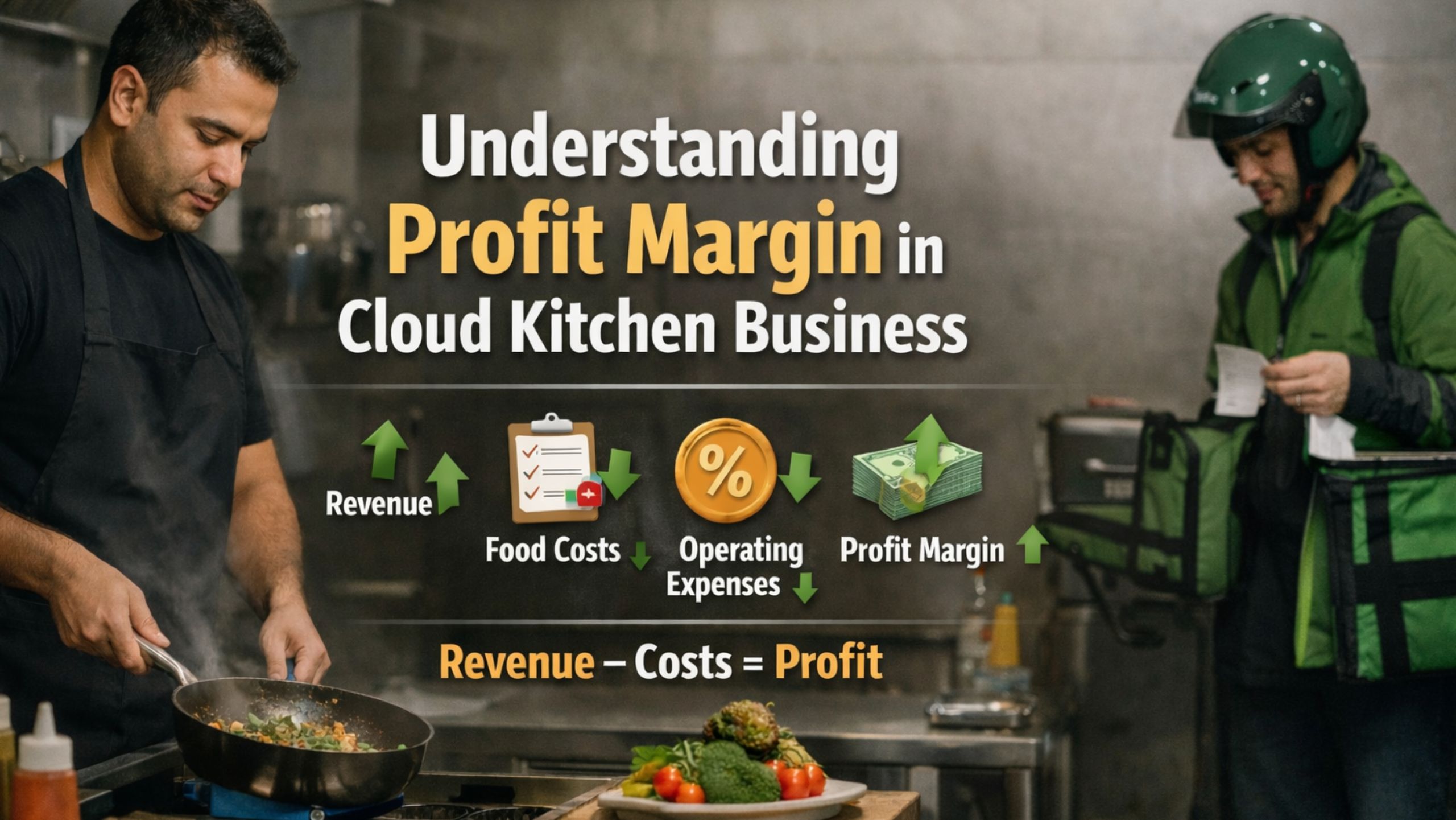
Understanding Profit Margin in Cloud Kitchen Business
March 08, 2026


Most Profitable Business in India with Low Investment
March 02, 2026

Top Cloud Kitchen in Ghaziabad You Need to Try Today
February 08, 2026