

What Are Ghost Kitchens: Everything You Need to Know
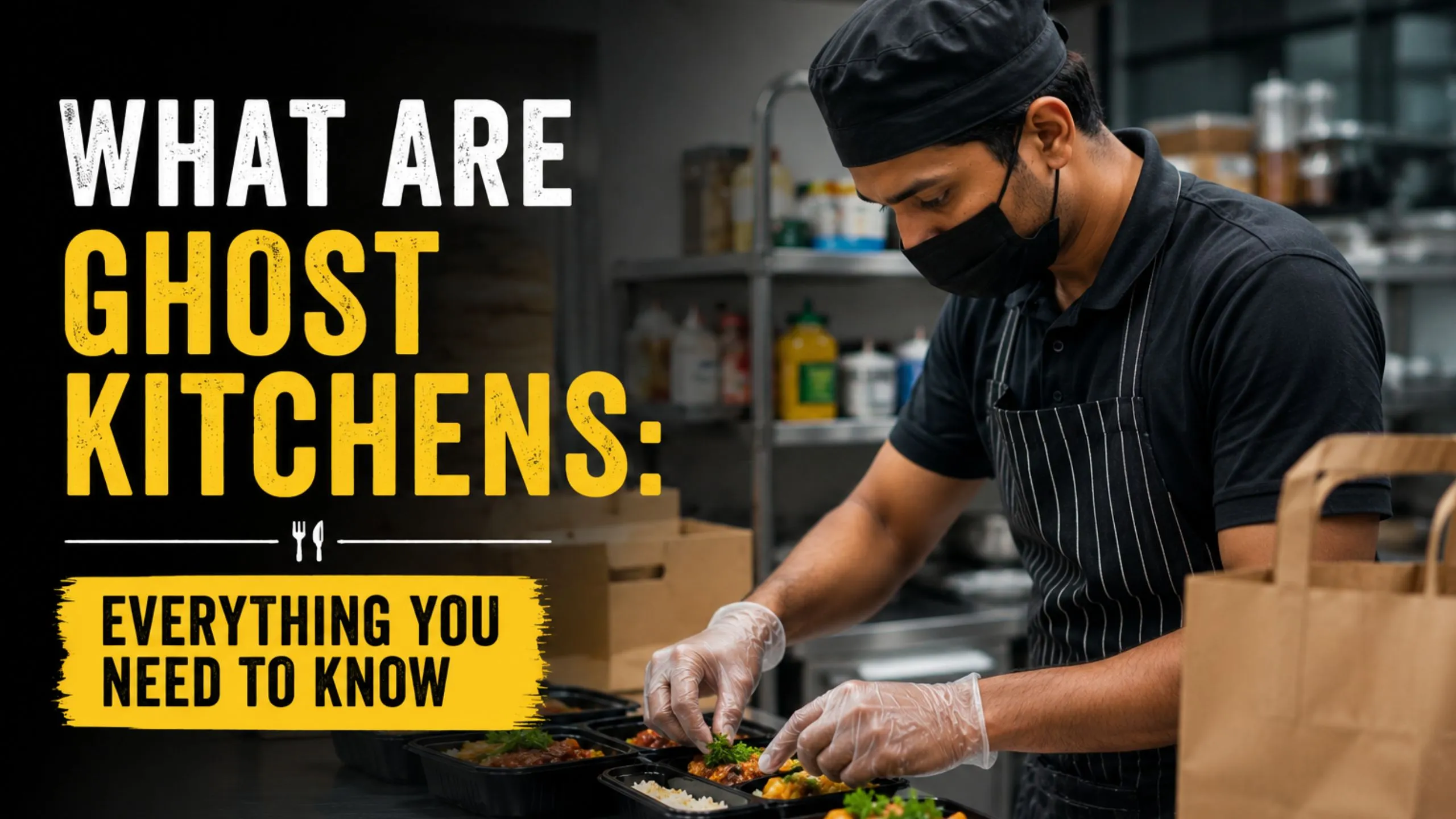
What Are Ghost Kitchens: Everything You Need to Know
Remember the last time you ordered food through Swiggy or Zomato? The restaurant might have been operating from a small commercial space without any dining tables or fancy decorations. That’s a ghost kitchen business model in action – and it’s revolutionizing how we think about restaurants today.
Think of it this way: if traditional restaurants are like big shopping malls where people come to shop and eat, ghost kitchens are like Amazon warehouses – focused purely on fulfilling orders efficiently. No dining area, no waiters, no expensive decor – just a kitchen churning out delicious food for delivery.
If you’re a food entrepreneur wondering whether this model could work for you, or if you’re simply curious about why your favourite delivery-only brand doesn’t have a physical location, you’re in the right place. Let’s dive deep into everything about ghost kitchens, from what they mean to how you can start one yourself.
Understanding the Ghost Kitchen Meaning
What Exactly Is a Ghost Kitchen?
A ghost kitchen, also known as a virtual restaurant or delivery-only kitchen, is a professional food preparation facility that exists solely to fulfil online delivery orders. Unlike traditional restaurants, these kitchens have no storefront, no dining room, and no direct customer interaction.
The ghost kitchen meaning becomes clearer when you understand that these are essentially production facilities optimized for the online food delivery business. They’re called “ghost” kitchens because customers never see them – they exist invisibly behind the apps on your phone.
How Do Ghost Kitchens Actually Work?
The process is surprisingly simple:
- Orders come in through delivery apps or the restaurant’s website
- Kitchen staff prepare the food in a streamlined cooking space
- Delivery partners pick up the orders
- Food reaches customers without any physical restaurant visit
This food delivery kitchen setup eliminates many traditional restaurant complexities while focusing on what matters most – great food delivered fast.
Cloud Kitchen vs Ghost Kitchen: Understanding the Difference
| Aspect | Ghost Kitchen | Cloud Kitchen |
| Definition | A restaurant without dine-in operating under existing restaurant brands | A shared kitchen space hosting multiple virtual brands |
| Ownership | Usually single brand/owner | Multiple brands can operate from one location |
| Investment | Higher (own kitchen setup) | Lower (shared infrastructure) |
| Control | Complete control over operations | Shared resources and space |
| Examples | Single restaurant’s delivery-only outlet | Zomato Swiggy kitchen model with multiple brands |
Types of Ghost Kitchen Business Models
1. Independent Ghost Kitchen
A single brand operating from its own dedicated kitchen space. This gives you complete control over operations, quality, and branding.
2. Multi-Brand Virtual Kitchen
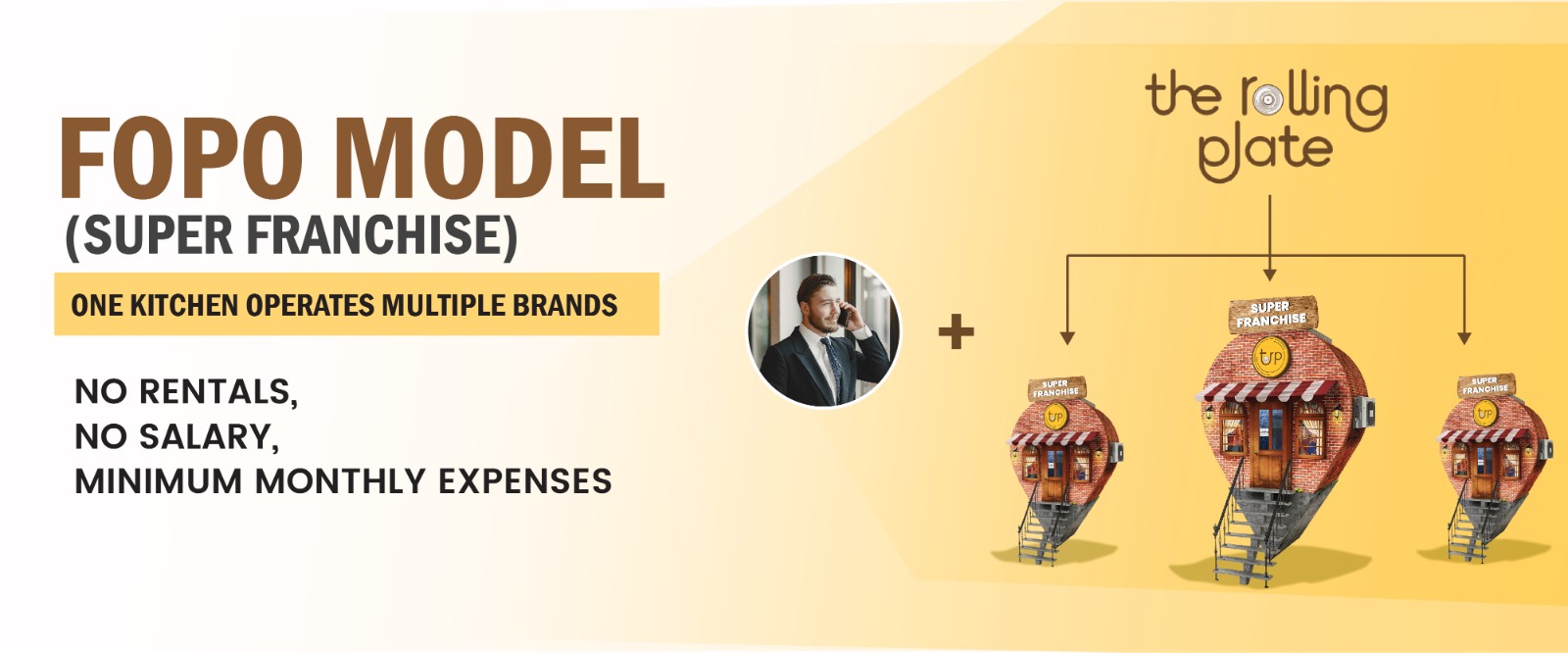
One kitchen space operating multiple food brands. For example, the same kitchen might run an Italian pasta brand, a burger joint, and a healthy salad brand simultaneously.
3. Hub-and-Spoke Model
A central kitchen (hub) prepares food that’s distributed to smaller satellite locations (spokes) for final preparation and delivery. This model works well for scaling operations across cities.
4. Kitchen-as-a-Service
Companies like Rebel Foods provide fully equipped kitchen spaces that entrepreneurs can rent to launch their food brands quickly.
Why Ghost Kitchens Are Booming: Key Advantages
Lower Operating Costs
- No expensive real estate in prime locations
- No dining area maintenance or decoration costs
- Fewer staff members needed (no waiters or hosts)
- Lower utility bills due to smaller spaces
Faster Market Entry
Starting a virtual restaurant can happen in weeks, not months. You don’t need permits for customer seating or worry about ambience; just focus on the kitchen setup and menu.
Data-Driven Decisions
Every order provides valuable data about customer preferences, peak hours, and popular dishes. This information helps optimize your menu and operations continuously.
Geographic Flexibility
You can set up kitchens in affordable areas since customers won’t visit. This means lower rent while still serving premium neighborhoods through delivery.
The Challenges: What No One Tells You
Intense Competition
Without a physical presence, standing out becomes harder. You’re competing with hundreds of other options on delivery apps.
Dependency on Third Parties
Relying heavily on delivery platforms means:
- High commission fees (15-30% per order)
- Limited control over customer experience
- Dependency on delivery partner performance
Marketing Complexities
Building brand recognition without a physical storefront requires creative digital marketing strategies and often higher marketing budgets.
Quality Control Issues
Maintaining food quality during delivery remains challenging, especially for certain cuisines that don’t travel well.
Starting Your Ghost Kitchen: A Step-by-Step Guide
Step 1: Market Research and Concept Development
- Analyze local food delivery trends
- Identify gaps in the market
- Develop a unique menu that travels well
- Study successful food delivery kitchen setup examples
Step 2: Location and Kitchen Setup
- Find affordable commercial kitchen space
- Ensure proper licensing and food safety compliance
- Invest in efficient kitchen equipment
- Design workflow for maximum efficiency
Step 3: Technology Integration
- Partner with delivery platforms
- Set up order management systems
- Implement inventory tracking
- Create a user-friendly website
Step 4: Menu Engineering
- Design delivery-friendly dishes
- Price competitively while maintaining margins
- Create appealing food photography
- Test packaging for quality retention
Step 5: Launch and Optimize
- Start with a soft launch to test operations
- Gather customer feedback actively
- Optimize based on data insights
- Scale gradually
Understanding the Cost Structure
Initial Investment Breakdown:
- Kitchen equipment: ₹3-5 lakhs
- Licensing and permits: ₹50,000-1 lakh
- Initial inventory: ₹50,000-75,000
- Technology setup: ₹25,000-50,000
- Marketing budget: ₹1-2 lakhs
Monthly Operating Costs:
- Rent: ₹30,000-80,000 (location dependent)
- Staff salaries: ₹60,000-1.5 lakhs
- Raw materials: 30-35% of revenue
- Utilities: ₹15,000-25,000
- Platform commissions: 20-30% of sales
Marketing Your Ghost Kitchen Effectively
Digital-First Approach
Since you don’t have foot traffic, digital marketing becomes crucial:
- Optimize delivery app listings with attractive photos
- Run targeted social media campaigns
- Implement loyalty programs through WhatsApp or SMS
- Partner with food influencers for reviews
Focus on Reviews and Ratings
- Actively request customer reviews
- Respond to feedback promptly
- Address complaints professionally
- Use positive reviews in marketing materials
Create Virtual Brand Experiences
- Share behind-the-scenes kitchen videos
- Host virtual cooking classes
- Engage customers through social media stories
- Build email lists for direct marketing
Common Mistakes to Avoid
1. Underestimating Delivery Logistics
Many beginners focus only on cooking, forgetting that packaging and delivery are equally important for customer satisfaction.
2. Ignoring Unit Economics
Track every cost meticulously. A dish might seem profitable until you factor in packaging, delivery commissions, and marketing costs.
3. Over-Expanding Too Quickly
Start with a focused menu and geographic area. Expand only after perfecting operations and achieving consistent quality.
4. Neglecting Brand Building
Just because you don’t have a physical restaurant doesn’t mean branding isn’t important. Invest in professional logos, packaging design, and consistent messaging.
Your Roadmap to Ghost Kitchen Success
The ghost kitchen business model isn’t just a trend – it’s a fundamental shift in how food businesses operate. Whether you’re a home chef looking to scale up or an investor seeking opportunities in the online food delivery business, ghost kitchens offer a compelling proposition.
Success in this space requires understanding that you’re not just running a kitchen – you’re building a technology-enabled food brand. Companies like The Rolling Plate have proven that with the right approach, ghost kitchens can compete with and even outperform traditional restaurants.
Ready to start your ghost kitchen journey? Remember, every successful food delivery brand started with a single order. Focus on perfecting your recipes, understanding your customers, and building efficient operations. The digital-first food industry is waiting for innovative entrepreneurs like you. Contact us for more guidance or support as you navigate this exciting business model.
Frequently Asked Questions
1. What is the minimum investment required to start a ghost kitchen?
You can start a basic ghost kitchen business model with ₹5-7 lakhs, covering kitchen equipment, licensing, and initial working capital. However, premium setups in metro cities might require ₹10-15 lakhs.
2. Is ghost kitchen profitable compared to traditional restaurants?
Yes, ghost kitchens typically have 15-20% better profit margins due to lower overhead costs. Without dining space expenses, you save significantly on rent and staff costs.
3. Do I need any special license for operating a cloud kitchen?
You’ll need standard food business licenses, including FSSAI registration, fire safety certificate, trade license, and GST registration. The process is similar to traditional restaurants minus dining-specific permits.
4. What’s the difference between a dark kitchen and a ghost kitchen?
These terms are used interchangeably. Both refer to virtual restaurant setups without customer dining areas, focused solely on delivery operations.
5. Can I run multiple brands from one ghost kitchen?
Absolutely! Many successful operators run 3-4 brands from a single kitchen. This maximizes kitchen utilization and spreads fixed costs across multiple revenue streams.
6. Which foods work best for ghost kitchen delivery?
Foods that travel well include biryanis, pizzas, burgers, North Indian curries, and Chinese dishes. Avoid items that get soggy or require immediate consumption like crispy dosas or fresh salads.
7. How do ghost kitchens handle customer complaints without physical locations?
Through responsive customer service via phone, WhatsApp, and delivery app chat features. Quick resolution and replacement policies are crucial for maintaining ratings.
8. Is the Zomato Swiggy kitchen model worth the high commissions?
Despite 20-30% commissions, the Zomato Swiggy kitchen model provides instant access to millions of customers and handles delivery logistics, making it worthwhile for most ghost kitchens.
9. What are the best locations for setting up a ghost kitchen?
Industrial areas or commercial spaces with good road connectivity work best. You need easy access for delivery partners but don’t require customer-facing prime locations. The Rolling Plate recommends areas within 5-6 km of your target delivery zones.
10. How long does it take to break even with a ghost kitchen?
With proper execution, most ghost kitchens achieve break-even within 6-8 months. This is significantly faster than traditional restaurants, which typically take 18-24 months.

Enquire Now
Recent Post


Other Blogs
Discover our latest news
and updates now.
How to Make Money in the Food Industry
September 12, 2026
रेस्टोरेंट में टैक्स कैसे बचाएं? जानें 7 आसान तरीके
September 12, 2026
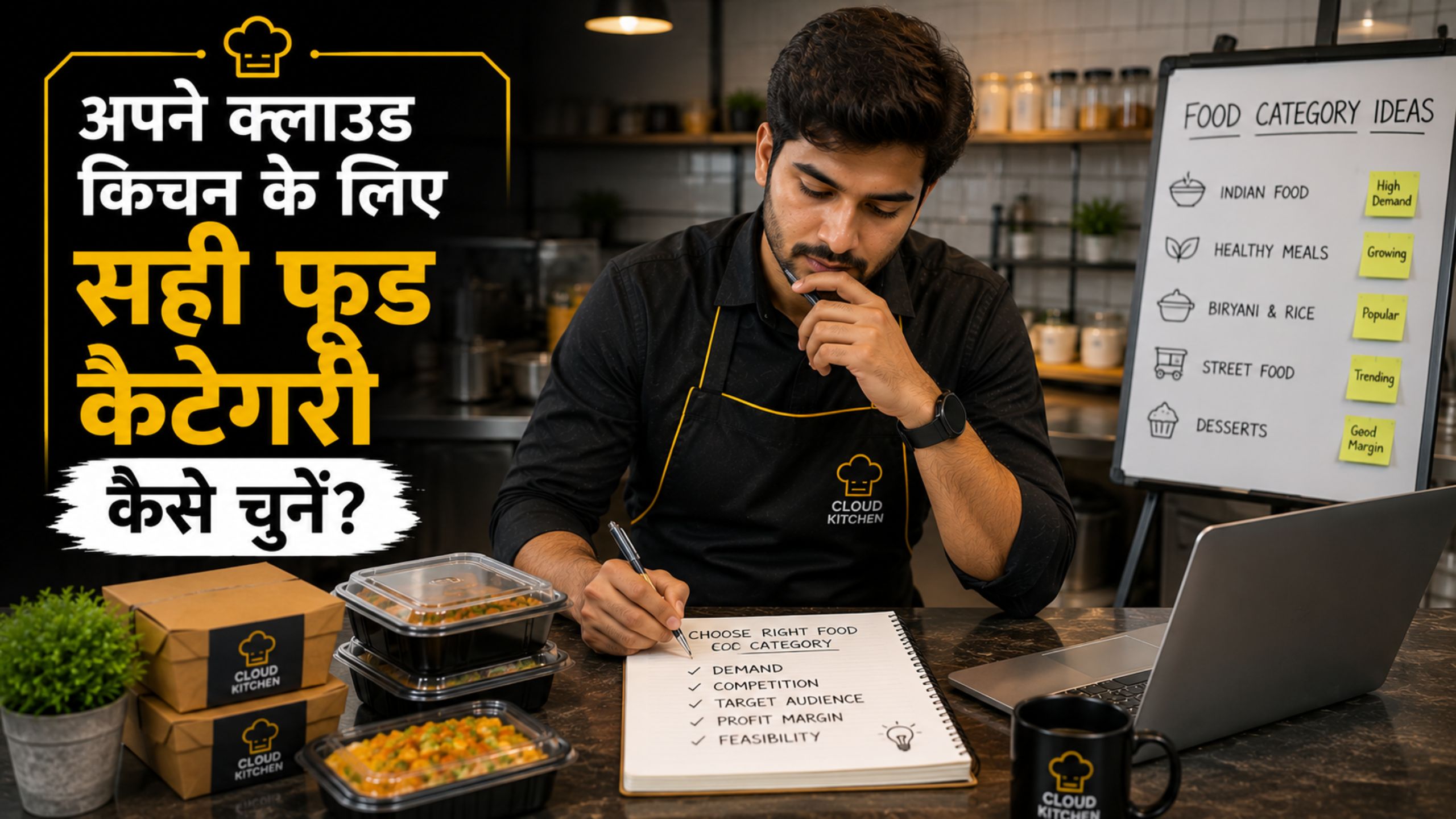
अपने क्लाउड किचन के लिए सही फूड कैटेगरी कैसे चुनें?
September 04, 2026
क्लाउड किचन के मेन्यू में नई डिश जोड़ने से पहले उसका टेस्ट कैसे करें?
September 03, 2026
How to Maintain Food Quality During Cloud Kitchen Delivery
September 02, 2026