

The Advantages and Disadvantages of Investing
The Advantages and Disadvantages of Investing
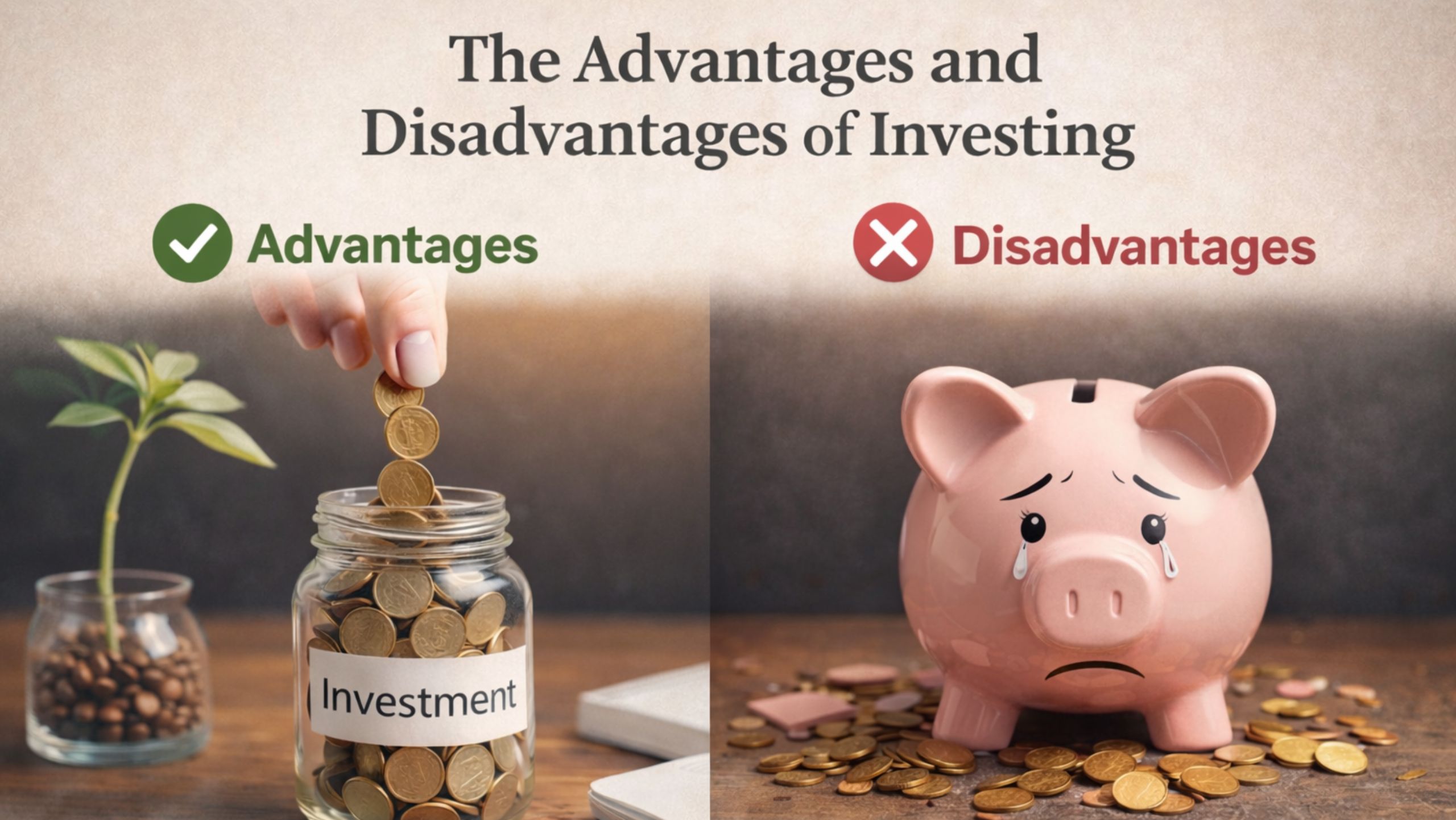
Investing has become an essential part of modern financial planning. People search daily for ways to grow money, create security, and prepare for the future. While saving is important, it often fails to deliver real growth. This is why many turn toward different investment options. Still, investing is not risk-free, and understanding both the benefits and challenges is crucial before committing your money.
This guide explains the advantages and disadvantages of investing in clear, simple language so you can decide what works best for your financial goals.
What Is Investing and Why It Matters
Investing means putting your money into assets that can increase in value or generate income over time. Common examples include stock market investing, mutual funds, and real estate investing.
Unlike saving, which focuses on safety, investment focuses on growth. When done with planning and patience, investing can help you stay ahead of inflation and build long-term financial strength.
Advantages of Investing for Long-Term Growth
One of the main reasons people choose investing is the opportunity to build wealth steadily over time. Even small investments can grow when given enough time.
Key advantages include:
- Higher potential returns compared to savings accounts
- Long-term wealth creation through compounding
- Better preparation for future goals, such as retirement
- Improved money discipline and planning habits
These benefits make investment options an important part of long-term financial planning.
How Investing Helps Beat Inflation
Inflation reduces the value of money every year. What you can buy today may cost more tomorrow. Keeping money idle in savings can slowly weaken your purchasing power.
Investing helps counter inflation by offering growth-focused returns. Assets like stock market investing and real estate investing often grow faster than inflation over the long run.
This invests a necessity for people who want their money to retain and increase its value.
Building Additional Income Through Investing
Many people look for ways to earn more without increasing working hours. Investing can support this goal by creating additional income sources.
Common income-generating investment types include:
- Dividends earned from shares
- Rental income from property
- Interest from fixed income investments
While income is not guaranteed, choosing the right investment options can support long-term financial comfort.
Understanding the Disadvantages of Investing
Along with the benefits, the disadvantages of investing must be clearly understood. Ignoring risks often leads to stress and losses.
Some common challenges include:
- Possibility of losing invested capital
- Market uncertainty and volatility
- Emotional pressure during price fluctuations
Being aware of these risks helps set realistic expectations and better decision-making.
Risk and Volatility in Stock Market Investing
Stock market investing is popular due to its high return potential, but it also carries higher risk. Market prices change due to economic conditions, global events, and company performance.
Important points every investor should remember
- Market ups and downs are normal
- Long-term investing reduces short-term risk
- Diversification helps protect capital
Understanding these factors improves confidence and discipline in investing.
Why Investing Requires Knowledge and Patience
Successful investment is based on learning and consistency. Many people lose money because they invest without understanding the product or the risk involved.
Before choosing investment options, investors should
- Understand how returns are generated
- Know the risk level involved
- Set realistic time expectations
Strong financial planning focuses on steady progress rather than quick profits.
Liquidity Challenges in Certain Investment Options
Liquidity refers to how easily you can access your money. Not all investment options allow quick withdrawals.
Examples include
- Real estate investing, which may take time to sell
- Long-term investment plans with lock-in periods
This is why balanced investing includes both liquid funds and long-term assets to handle emergencies.
The Emotional Impact of Investing
Emotions play a major role in investment decisions. Fear and greed often lead to mistakes, especially during market fluctuations.
Common emotional errors include:
- Buying when prices are already high
- Selling during market panic
- Changing plans too frequently
Controlling emotions improves long-term investing success.
Choosing the Right Investment Options for Your Goals
There is no single best investment for everyone. The right choice depends on income level, risk tolerance, and future goals.
A balanced approach usually includes
- Growth-oriented investments
- Stable income-generating assets
- Emergency savings
Brands like The Rolling Plate often emphasise informed choices and thoughtful planning. The same mindset applies to investing. A clear understanding leads to better outcomes.
Common Investing Mistakes to Avoid
Many investors face losses due to simple but avoidable mistakes.
Some common errors include:
- Investing without a clear goal
- Expecting quick profits
- Ignoring diversification
- Following advice without research
Avoiding these mistakes improves overall investment performance.
How Investing Supports Financial Planning
Investing is a core element of effective financial planning. It helps fund retirement, education, business growth, and lifestyle improvements.
With proper planning and the right investment options, financial stress reduces, and confidence grows.
A Simple Way to Start Investing Without Overthinking
Most people delay investing because they feel unsure or overwhelmed. In reality, getting started does not require expert-level knowledge or large amounts of money. What matters more is starting with clarity and realistic expectations.
Begin by understanding basic investment options, deciding how long you can keep your money invested, and avoiding putting everything in one place. Small, regular investments are often more practical than waiting for the perfect moment.
The Rolling Plate often focuses on clear thinking and practical choices rather than hype. The same approach works well with investing, too. If you ever feel stuck or unsure about your next step, getting simple and honest guidance can help you move forward without unnecessary pressure.

Enquire Now
Recent Post





Other Blogs
Discover our latest news
and updates now.

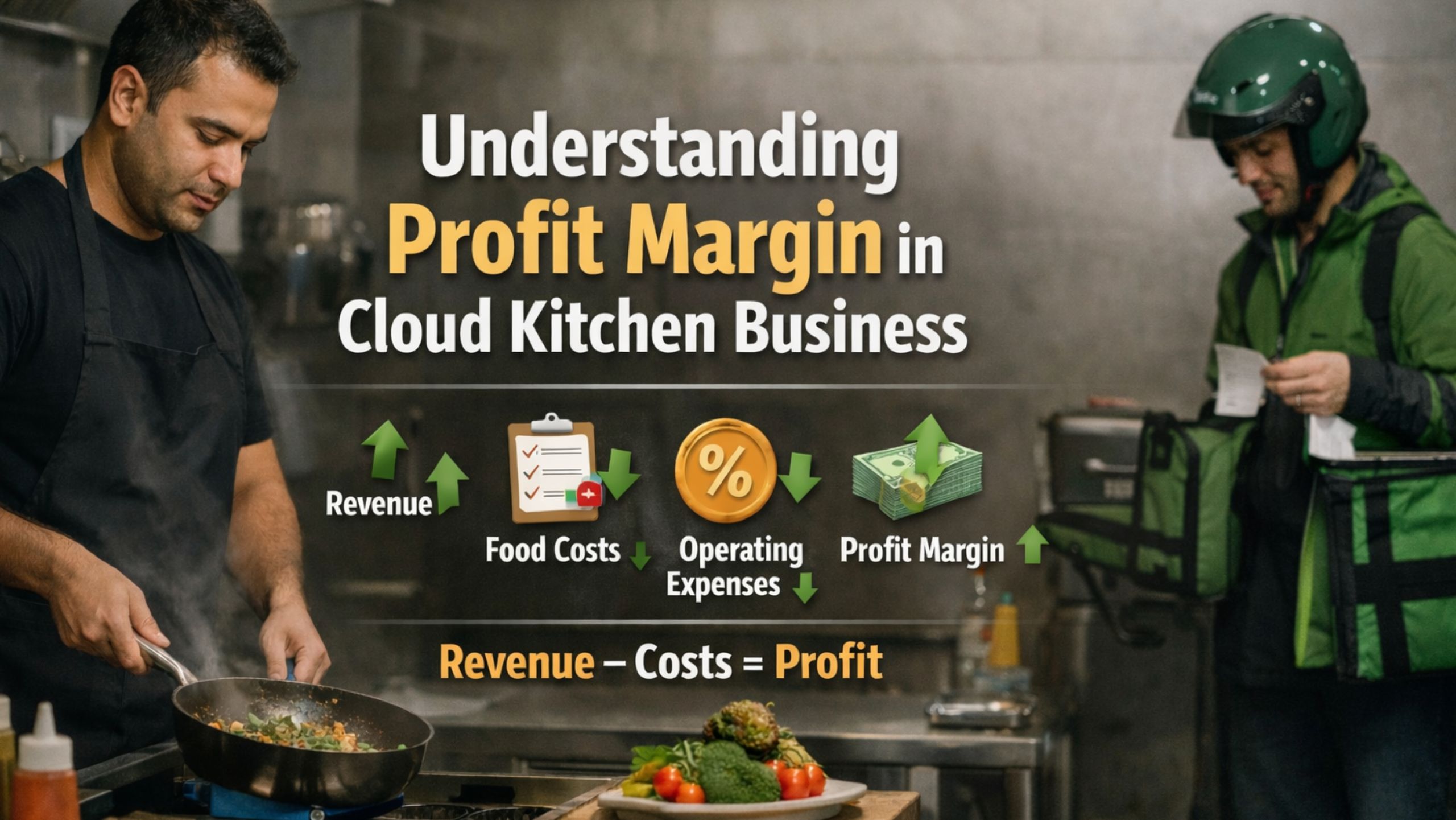
Understanding Profit Margin in Cloud Kitchen Business
March 08, 2026


Most Profitable Business in India with Low Investment
March 02, 2026

Top Cloud Kitchen in Ghaziabad You Need to Try Today
February 08, 2026